What You’ll Learn
- Choosing the Best Asphalt-Based Sealer for Parking Lots
- Why Asphalt-Based Sealers are Essential for Parking Lots
- What to Look for in an Asphalt-Based Sealer
- Best Asphalt Sealers for Parking Lots
- Sealcoating Best Practices for Optimum Performance
- Learn more about Asphalt Sealcoating and How to Sealcoat
- SealMaster Expertise & Support
Choosing the Best Asphalt-Based Sealer for Parking Lots
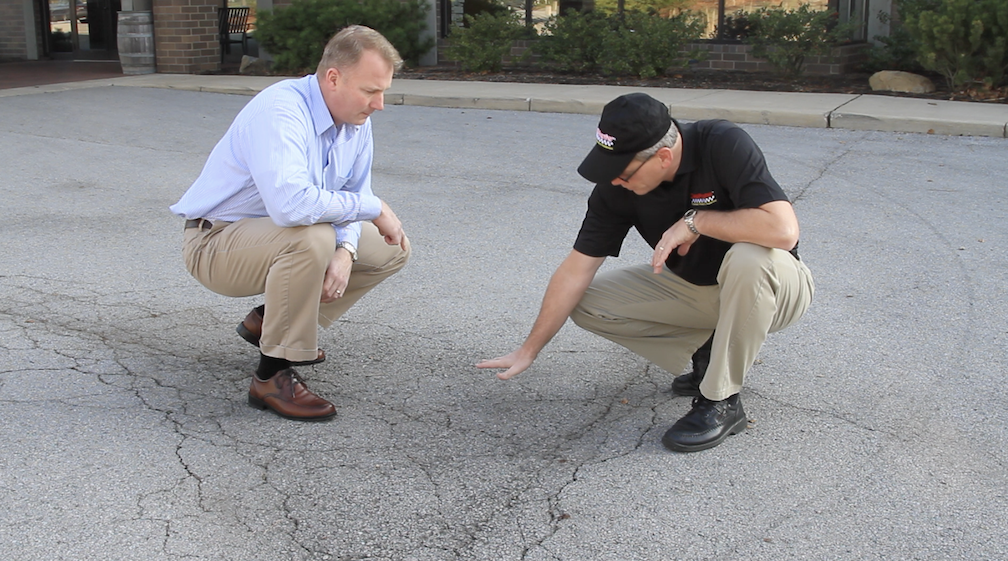
Your parking lot is more than pavement—it’s the welcome mat to your business. First impressions matter, and before customers walk through the doors, they will notice the condition of your asphalt. A black, clean and well-maintained lot communicates professionalism and care, while cracking, fading, raveling and potholes can signal neglect. Just as importantly, deteriorated pavement can create safety hazards that increase the risk of trips, falls and vehicle damage for customers and visitors.
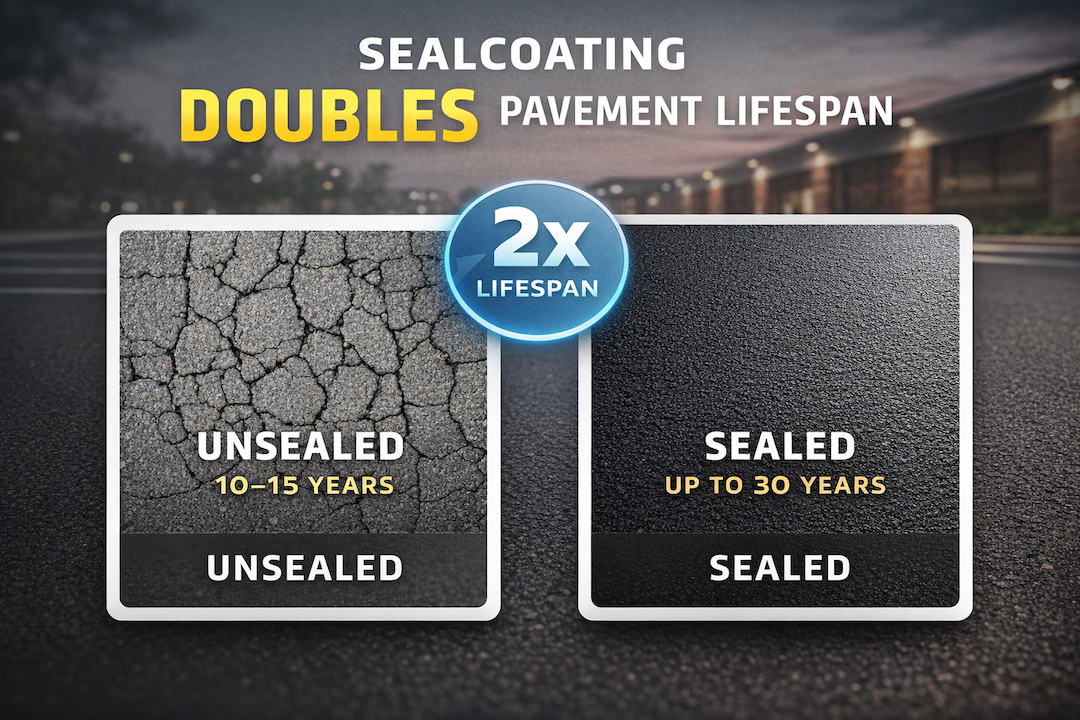
That’s why sealcoating plays such a critical role in asphalt pavement maintenance. Asphalt-based sealers protect pavement from the elements that cause premature aging, including UV rays, moisture, oil and chemical spills. Asphalt oxidizes, dries out, turns gray and begins to crack, which leads to costly repairs and shortened pavement life without proper protection. Selecting the right asphalt-based pavement sealer and maintaining a regular sealcoating schedule can double the lifespan of asphalt pavement. Choosing the right asphalt-based sealer for your parking lot isn’t just about appearance; it’s about protecting your long-term investment.
Why Asphalt-Based Sealers are Essential for Parking Lots
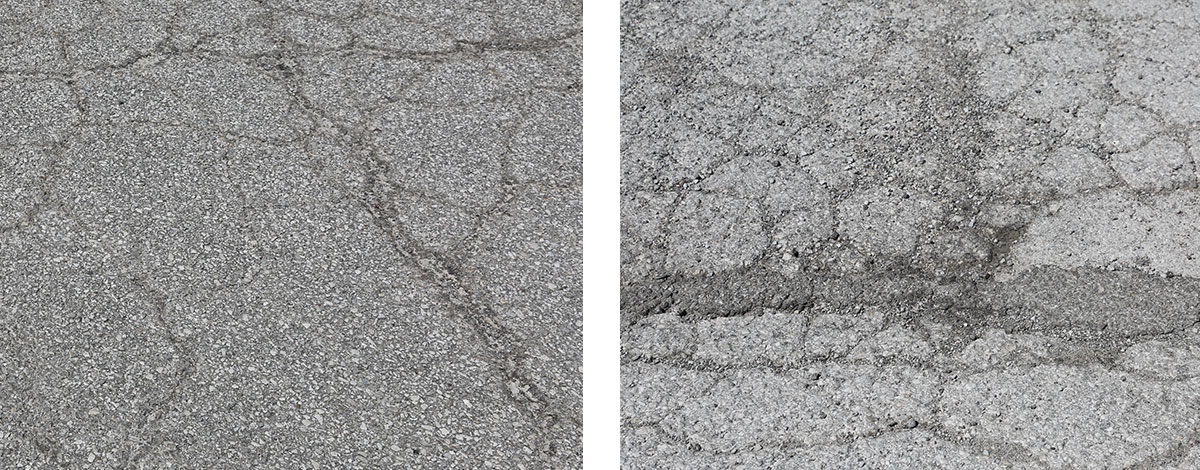
Asphalt pavement is constantly exposed to traffic, weather, sunlight and chemical spills. Over time, these elements break down the asphalt binder that holds pavement together, leading to fading, cracking and surface deterioration.
Asphalt-based sealers are formulated to protect asphalt pavement from this damage while maintaining flexibility and appearance. Since the sealers are chemically compatible with asphalt surfaces, they bond naturally to the pavement and provide consistent, long-term protection.
Key Benefits of Asphalt-Based Sealers
When properly applied and maintained, asphalt-based sealers offer both performance and aesthetic advantages for parking lots.
Benefits include:
- Extends the overall lifespan of asphalt pavement
- Helps prevent oxidation, cracking and raveling
- Maintains flexibility through temperature changes
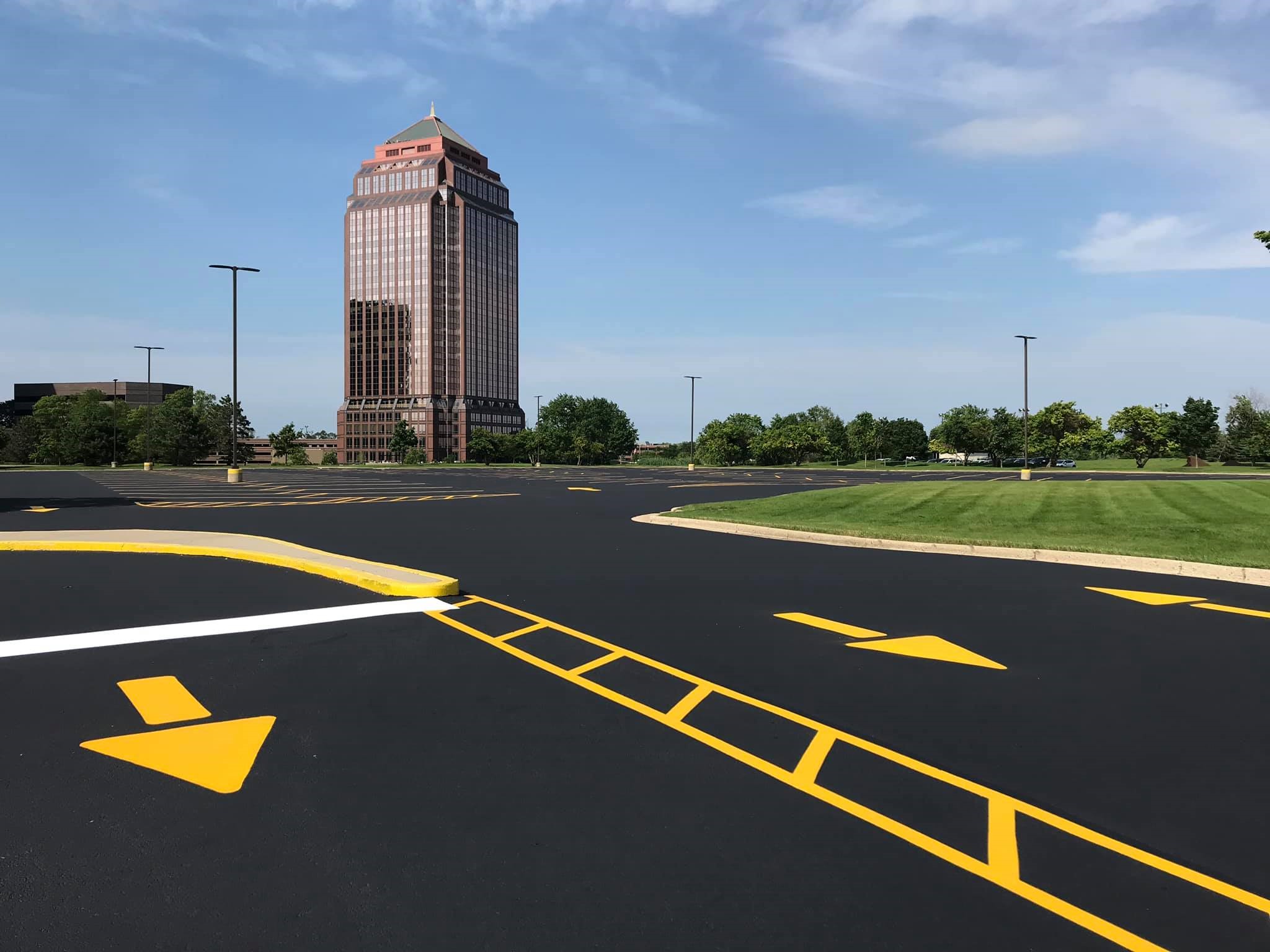
- Restores a rich, dark black finish
- Creates a clean, professional appearance
- Supports long-term maintenance planning and budgets
Flexibility is one of the most important performance advantages of asphalt-based sealers. Asphalt pavement expands and contracts as temperatures fluctuate. Sealers that remain flexible after curing move with the pavement, helping reduce surface stress, cracking and premature failure.
Other sealer types such as coal tar sealers and petroleum pitch-based sealers may be used in certain applications or regions. While these products can offer advantages in limited situations, asphalt-based sealers provide the most balanced solution for the majority of parking lots. For property owners and contractors focused on long-term pavement performance and value, asphalt-based sealers remain the preferred choice.
What to Look for in an Asphalt-Based Sealer
Not all asphalt-based sealers perform the same. Parking lots face unique demands, including heavy traffic, frequent stopping and turning, exposure to chemicals and constant temperature changes. Selecting the best asphalt-based sealer requires understanding the features that directly impact performance, durability and long-term value.
Parking lots experience far more wear than residential driveways. A high-quality asphalt-based sealer should be formulated to withstand repeated traffic and surface abrasion.
Key durability considerations include:
- Ability to handle high traffic volumes
- Resistance to scuffing and tire marks
- Performance in drive lanes, entrances and high-use areas
Flexibility Through Temperature Changes
Asphalt pavement naturally expands and contracts with temperature fluctuations. Sealers that are too rigid can crack or fail prematurely.
The best asphalt-based sealers:
- Remain flexible after curing
- Move with the pavement instead of resisting it
- Perform reliably in hot, cold and freeze–thaw climates

Best Asphalt Sealers for Parking Lots
Different parking lots and pavement surfaces require different levels of protection. Traffic volume, speed and environmental exposure all play a role in determining which asphalt-based sealer is the best fit. The following asphalt-based sealers are widely used for parking lots and related pavement applications because they deliver proven protection, durability and curb appeal.
MasterSeal
Best for General Parking Lot Protection and Appearance
MasterSeal is a user-friendly asphalt-based pavement sealer formulated to protect and beautify asphalt pavement. It is commonly used on parking lots where balanced performance, flexibility, and appearance are the primary goals.
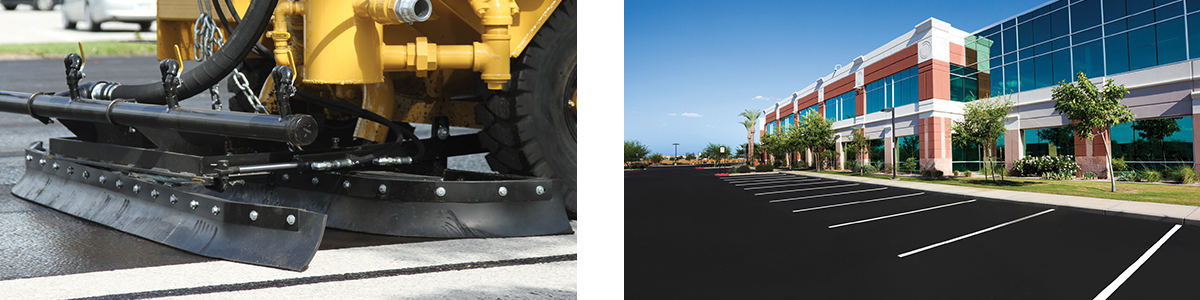
Recommended uses include:
- Parking lots
- Driveways
- Low-traffic and low-speed roads
- Shopping centers and malls
- Airports and highway shoulders
MasterSeal helps replenish asphalt binder lost through weathering and aging while forming a protective barrier against moisture, ultraviolet rays, chemicals and salt. Its flexibility allows it to move with the pavement, reducing surface checking and cracking, while delivering a deep, rich black finish that enhances curb appeal and overall property image.
Polymer-Modified MasterSeal (PMM)
Best for Longer-Lasting Protection and Appearance
For parking lots that require added performance, Polymer-Modified MasterSeal (PMM) delivers enhanced protection through increased strength and flexibility. PMM contains higher levels of solids than conventional asphalt-based sealers and is polymer-modified to improve durability, adhesion and resistance to traffic wear.
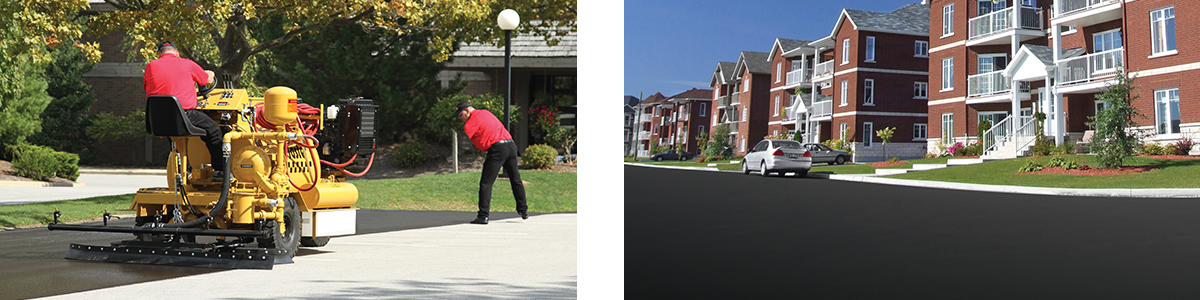
Recommended uses include:
- Parking Lots
- Driveways
- Low-traffic roads and low-speed roads
- Shopping centers and malls
- Airports and highway shoulders
Like MasterSeal, it replenishes lost asphalt binder and protects against moisture and chemical intrusion; while providing a uniform, dark black finish suited for most asphalt pavement surfaces.
Liquid Road
Best for Ultimate Durability and Curb Appeal
Liquid Road is a polymer-modified, fiber-reinforced asphalt-based pavement coating designed for parking lots, roads, streets and other surfaces requiring maximum durability and skid resistance.
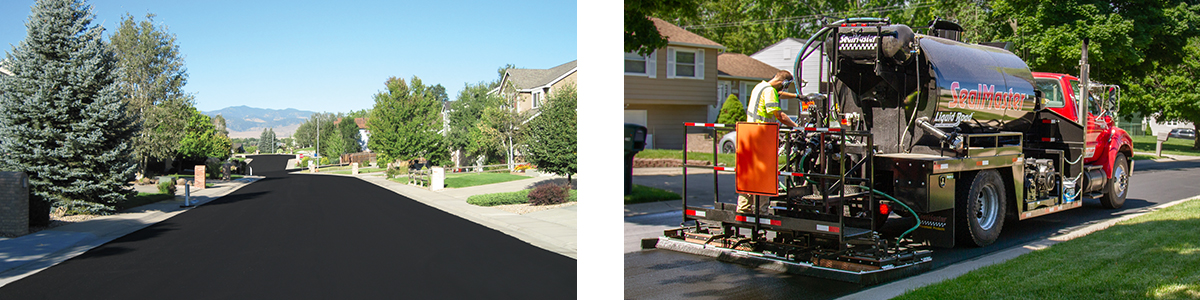
Recommended uses include:
- Parking lots
- Low-traffic roads
- Neighborhoods and gated communities
- Airport taxiways
- Highway shoulders
Liquid Road is mixed with specially graded aggregate and applied as a tough, aggregate-filled bituminous coating. The result is a highly durable, slip-resistant surface treatment that helps extend pavement service life while minimizing disruption to traffic flow. Its strength and versatility make it an excellent solution for pavement surfaces exposed to heavier wear or specialized performance demands.
Sealcoating Best Practices for Optimum Performance
Achieving a long-lasting sealcoat depends on proper application and ongoing maintenance. For optimum performance, two coats of sealer should be applied, with additional coats considered in high-traffic areas where increased durability is needed. After application, the final coat should be allowed to fully dry and cure for at least 24 hours before reopening the surface to traffic.
It is also essential to follow the manufacturer’s recommendations for application methods and coverage rates to ensure consistent results. When properly applied and maintained, a regular sealcoating schedule of typically three years helps protect asphalt pavement from premature deterioration while maintaining a clean, professional appearance. Investing in proper preparation and quality asphalt-based sealers supports long-term pavement performance, curb appeal and overall value.
Learn More About Asphalt Sealcoating and How to Sealcoat
To better understand how asphalt sealcoating protects pavement and extends its service life, explore the basics behind why sealcoating works and how it is applied. What Is Asphalt Sealcoating? explains how asphalt pavement is constructed, why it deteriorates over time and how sealcoating helps preserve parking lots, driveways and roadways.
For a more practical overview, Sealcoat 101: How to Sealcoat Asphalt Pavement outlines surface preparation, application methods and best practices to help achieve long-lasting results.
Read more:
SealMaster Expertise and Support
Successful sealcoating depends on proper surface preparation, quality materials and following SealMaster’s recommended best practices. With more than 60 years of industry experience and over 3 billion gallons of pavement sealer applied worldwide, SealMaster is recognized as the No. 1 brand of pavement sealer.
As a one-stop source for pavement maintenance solutions, SealMaster offers premium products, equipment and training through a franchise network of 125+ manufacturing and distribution centers across North America—along with product distribution in more than 60 nations. This extensive reach ensures contractors, municipalities and property owners get the support they need to maintain and extend the life of their pavement.
SealMaster’s national network of professional contractors provides full-service pavement maintenance solutions, including pothole repair, crack filling, sealcoating and line striping. For expert guidance, product recommendations or to connect with a pavement maintenance specialist, contact your local SealMaster for a free inspection or project estimate.