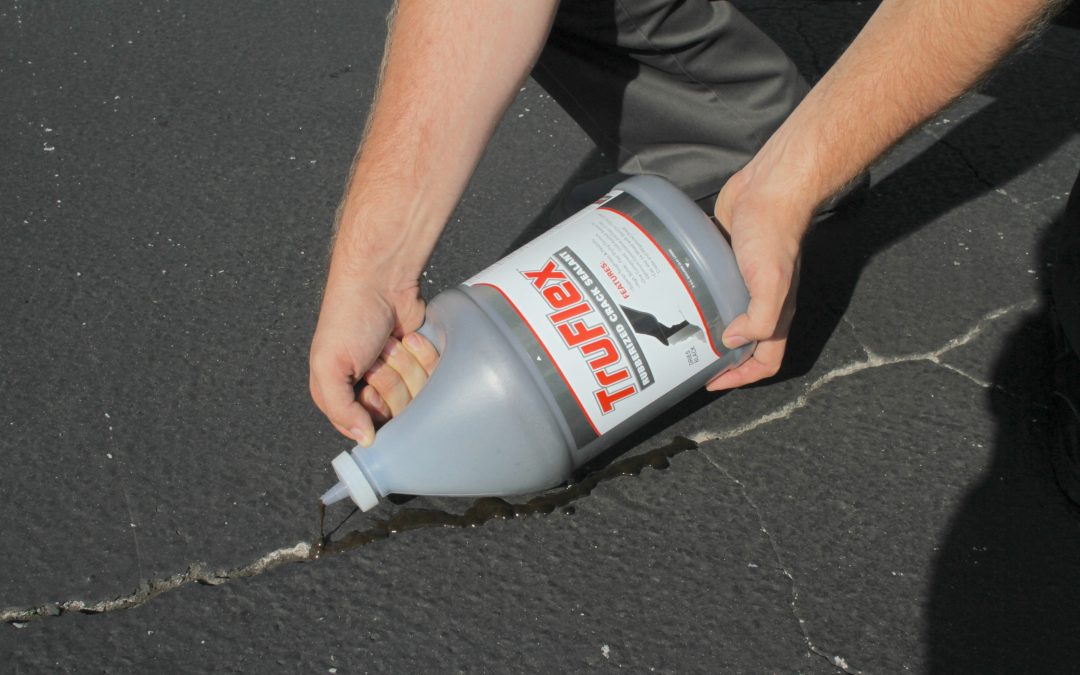
Cracks are one of the earliest indicators of asphalt pavement deterioration. When left untreated, they allow water to penetrate beneath the surface, weakening the pavement base, accelerating deterioration and increasing future maintenance costs.


Cracks are one of the earliest indicators of asphalt pavement deterioration. When left untreated, they allow water to penetrate beneath the surface, weakening the pavement base, accelerating deterioration and increasing future maintenance costs.

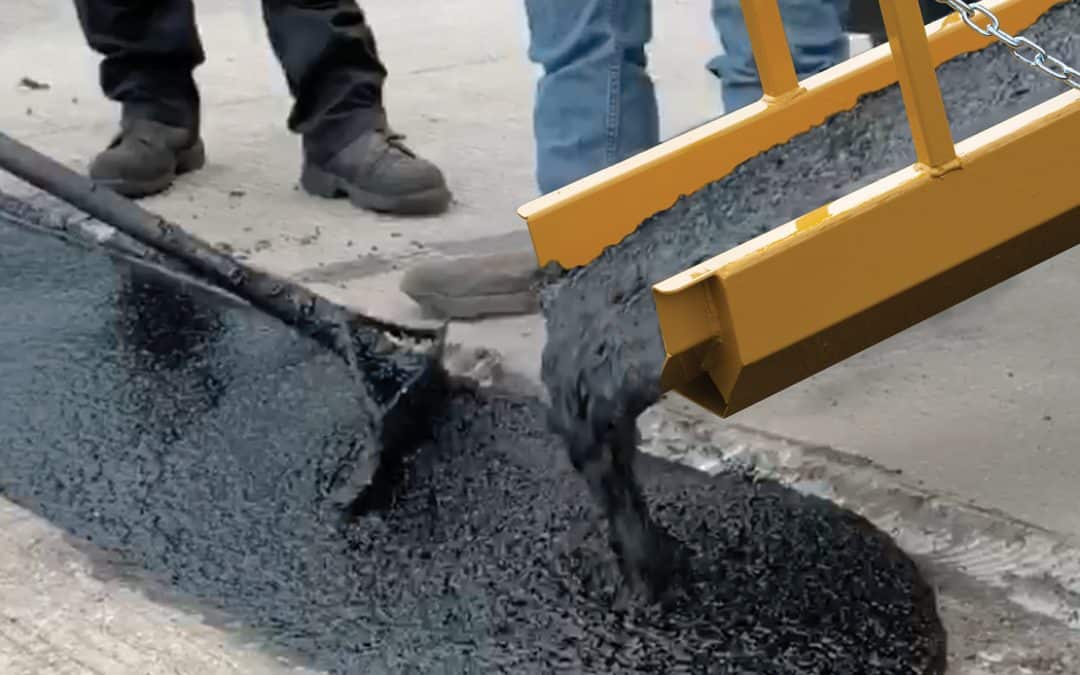
Crack sealing is one of the most effective ways to extend the life of asphalt pavement, but not every defect can be repaired with traditional crack sealant. When cracks become too wide or pavement damage becomes more severe, mastic asphalt may be needed to provide a durable, long-lasting repair. For contractors and municipalities, mastic asphalt can be an effective solution for extending pavement life and delaying total asphalt replacement.

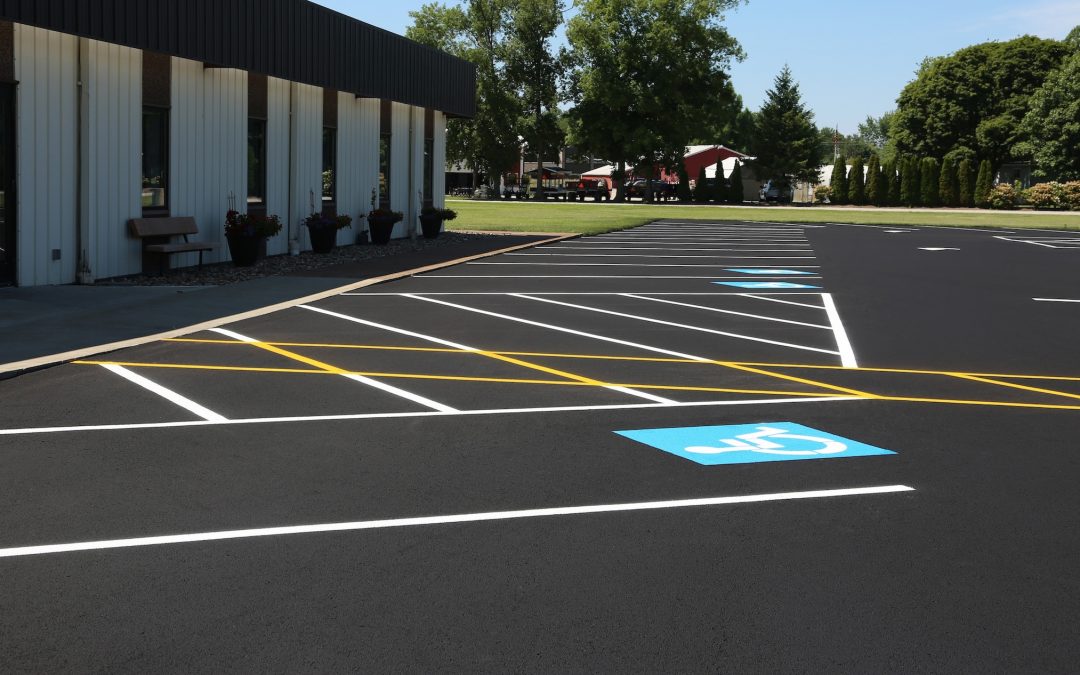
Your parking lot is more than pavement—it’s the welcome mat to your business. First impressions matter, and before customers walk through the doors, they will notice the condition of your asphalt. A black, clean and well-maintained lot communicates professionalism and care, while cracking, fading, raveling and potholes can signal neglect. Just as importantly, deteriorated pavement can create safety hazards that increase the risk of trips, falls and vehicle damage for customers and visitors.

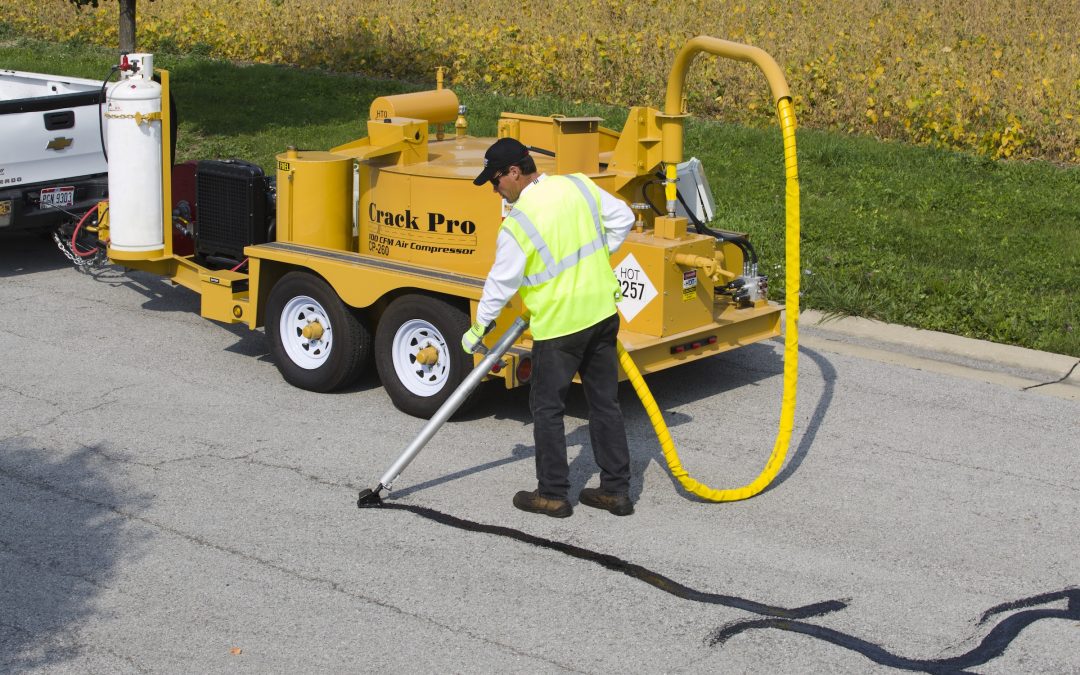
Crack sealing is an essential part of any pavement preservation plan, especially for parking lots and driveways. A scheduled maintenance program that includes sealcoating and the use of a cold-pour crack filler can more than double the life cycle of asphalt surfaces while enhancing curb appeal.
Cracks are one of the earliest indicators of asphalt pavement deterioration. When left untreated, they allow water to penetrate beneath the surface, weakening the pavement base, accelerating deterioration and increasing future maintenance costs.
Crack sealing is one of the most effective ways to extend the life of asphalt pavement, but not every defect can be repaired with traditional crack sealant. When cracks become too wide or pavement damage becomes more severe, mastic asphalt may be needed to provide a durable, long-lasting repair. For contractors and municipalities, mastic asphalt can be an effective solution for extending pavement life and delaying total asphalt replacement.
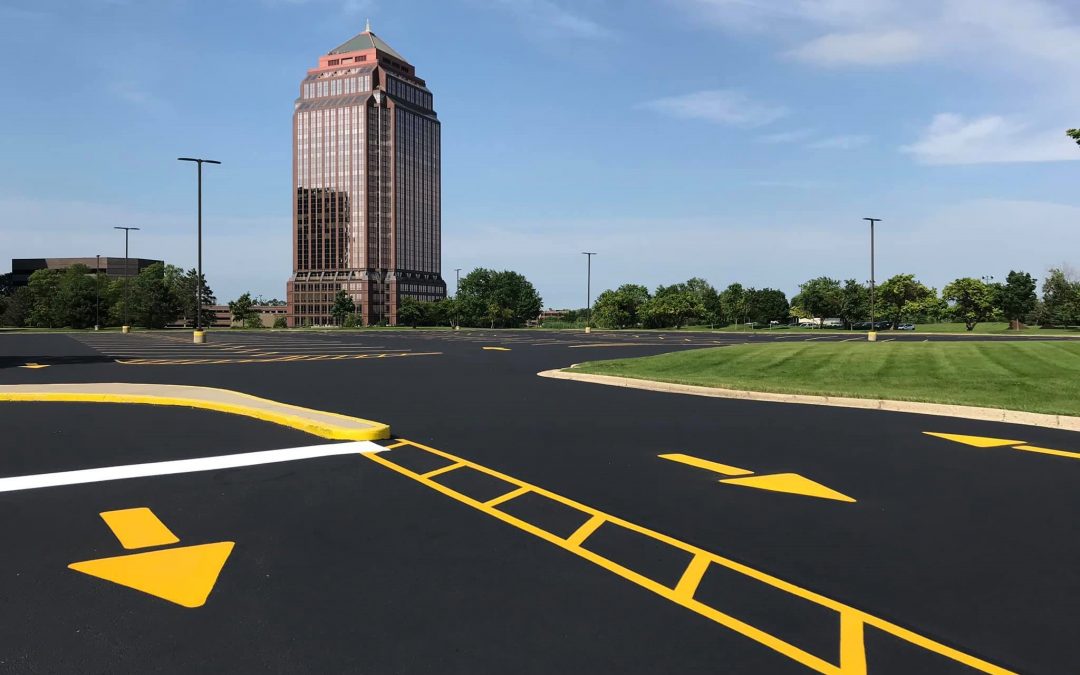
Traffic marking paint plays a critical role in roadway and parking lot safety, visibility and traffic control. From lane lines and crosswalks to directional markings and stop bars, choosing the right traffic marking material directly impacts durability, visibility and long-term performance.
Asphalt color coatings are an effective way to enhance both the function and appearance of asphalt pavement surfaces. These coatings are commonly used to reduce surface temperatures for urban heat islands, improve curb appeal and guide vehicle and pedestrian flow through clearly defined, color-coded pavement areas. Instead of adding pigment directly to hot mix asphalt, acrylic-based colorized coatings offer a more effective and versatile solution. Traditional methods typically result in dark, earthy colors that do little to reduce surface temperature. However, acrylic coatings provide a wider range of colors, including lighter, more reflective options that improve both performance and aesthetic value.
Colorized pavement coatings are becoming an increasingly popular solution across municipalities, commercial properties and recreational spaces and for good reason. From improving safety in bike lanes to enhancing the appearance of parks and public spaces, colorized pavement coatings offer both functional and aesthetic benefits. For contractors, they also present a valuable opportunity to expand service offerings and stand out in a competitive market. Understanding where and how these systems can be used is key to unlocking their full potential.