Choosing a sealcoat trailer starts with understanding the work you expect it to handle. Job size, daily material use, application method, towing requirements and equipment features should all factor into your decision.
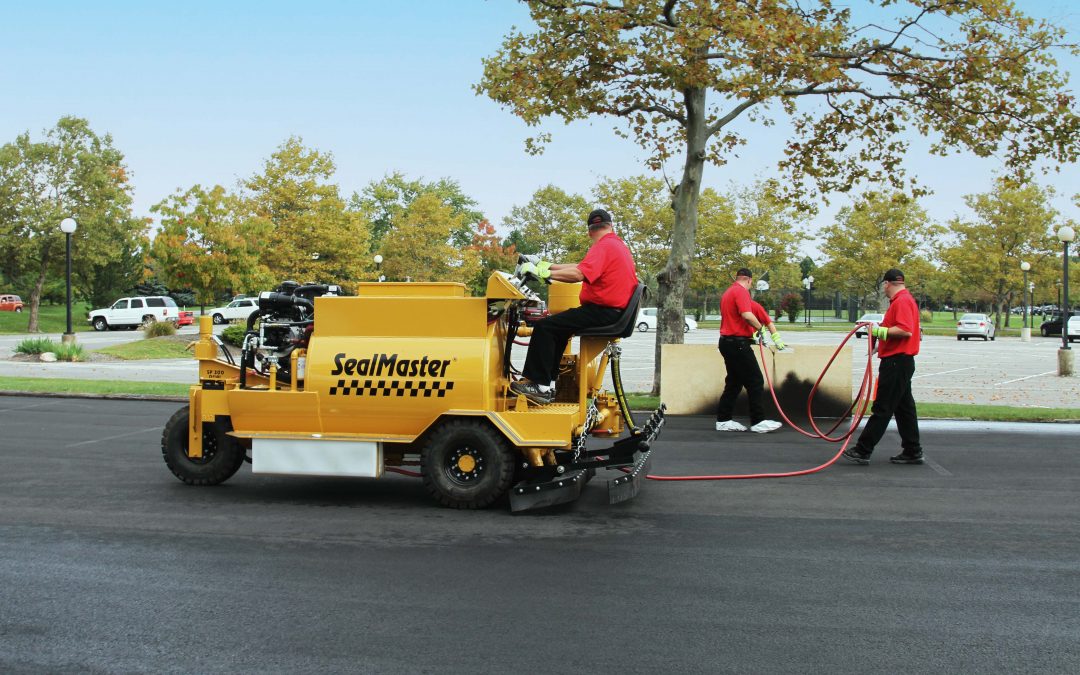

Choosing a sealcoat trailer starts with understanding the work you expect it to handle. Job size, daily material use, application method, towing requirements and equipment features should all factor into your decision.

Crack sealing is an integral component of an effective pavement preservation program. A scheduled pavement maintenance plan that includes sealcoating and crack filling, supported by properly selected crack filling equipment, can more than double the life cycle of asphalt pavement while maintaining curb appeal. Sealcoating and crack filling represent a fraction of the cost of repairing or replacing asphalt pavement.

Choosing the right sealcoating equipment is one of the most important decisions a contractor can make. The equipment you use affects productivity, job quality, labor efficiency and your ability to scale. With more options on the market than ever, the best approach is to match equipment to your current workload, then plan for what you want your business to handle next season.
Choosing a sealcoat trailer starts with understanding the work you expect it to handle. Job size, daily material use, application method, towing requirements and equipment features should all factor into your decision.
When it comes to mixing pavement sealer, more isn’t always better. More water doesn’t mean more material. More sand doesn’t automatically mean better traction. The right mix starts with following the manufacturer’s recommended mix design.
Potholes can quickly become a major concern for contractors, municipalities and public works departments as winter weather takes its toll on asphalt pavement. Having a pothole repair plan in place before demand increases helps crews respond quickly, make effective repairs and keep pavement in good condition.
A freshly striped parking lot does more than enhance the property’s appearance. Clear and properly positioned pavement markings help organize traffic flow, define parking spaces and pedestrian areas and make it easier for drivers to navigate the lot. Whether you are restriping an existing parking lot or marking out a newly paved or seal-coated surface, achieving professional-looking results begins well before the first line of paint is applied. Proper pavement preparation, accurate layout, the right traffic marking paint and correctly adjusted line striping equipment all play crucial roles in the final outcome.
Cracks are one of the earliest indicators of asphalt pavement deterioration. When left untreated, they allow water to penetrate beneath the surface, weakening the pavement base, accelerating deterioration and increasing future maintenance costs.