
Potholes can quickly become a major concern for contractors, municipalities and public works departments as winter weather takes its toll on asphalt pavement. Having a pothole repair plan in place before demand increases helps crews respond quickly, make effective repairs and keep pavement in good condition.
Preparation starts with knowing where problems are likely to develop, having the right equipment ready and keeping pothole repair materials, including asphalt cold patch, on hand. Taking these steps before pothole season is in full swing helps crews stay prepared as potholes appear.

What You’ll Learn
- Why Do Potholes Form?
- Plan Ahead for Pothole Season
- Show Customers Why Pothole Repair Matters
- Stock Up on Asphalt Cold Patch Before Pothole Season
- Choose the Right Cold Patch for Pothole Repair
- Proper Compaction Matters
- Get Your Equipment Ready
- Plan for Pothole Repair Requests
- Be Prepared for Pothole Season
- Learn More About Preventive Pavement Maintenance
- SealMaster Support & Expertise
Why Do Potholes Form?
Potholes often start with cracks in the pavement. Water enters these cracks and, as temperatures drop, it freezes and expands. Repeated freeze-thaw cycles can widen cracks and weaken the surrounding pavement.
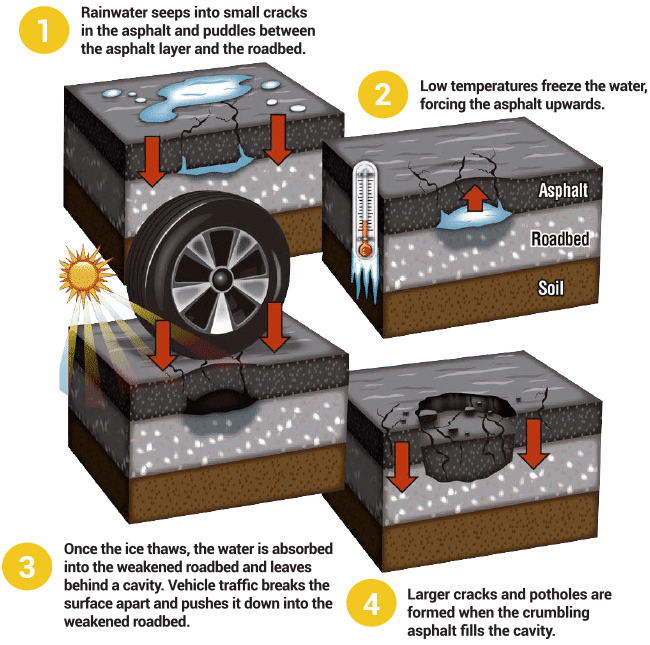
As vehicles travel over these weakened areas, the pavement can begin to break apart and eventually form a pothole. Once a pothole develops, continued traffic and exposure to the elements will cause the damaged area to grow.
Repairing potholes early is an important part of effective pavement maintenance. Timely repairs help prevent further pavement deterioration, reduce the potential for more costly repairs and provide a safer surface for vehicles, bicycles and pedestrians.
Plan Ahead for Pothole Season
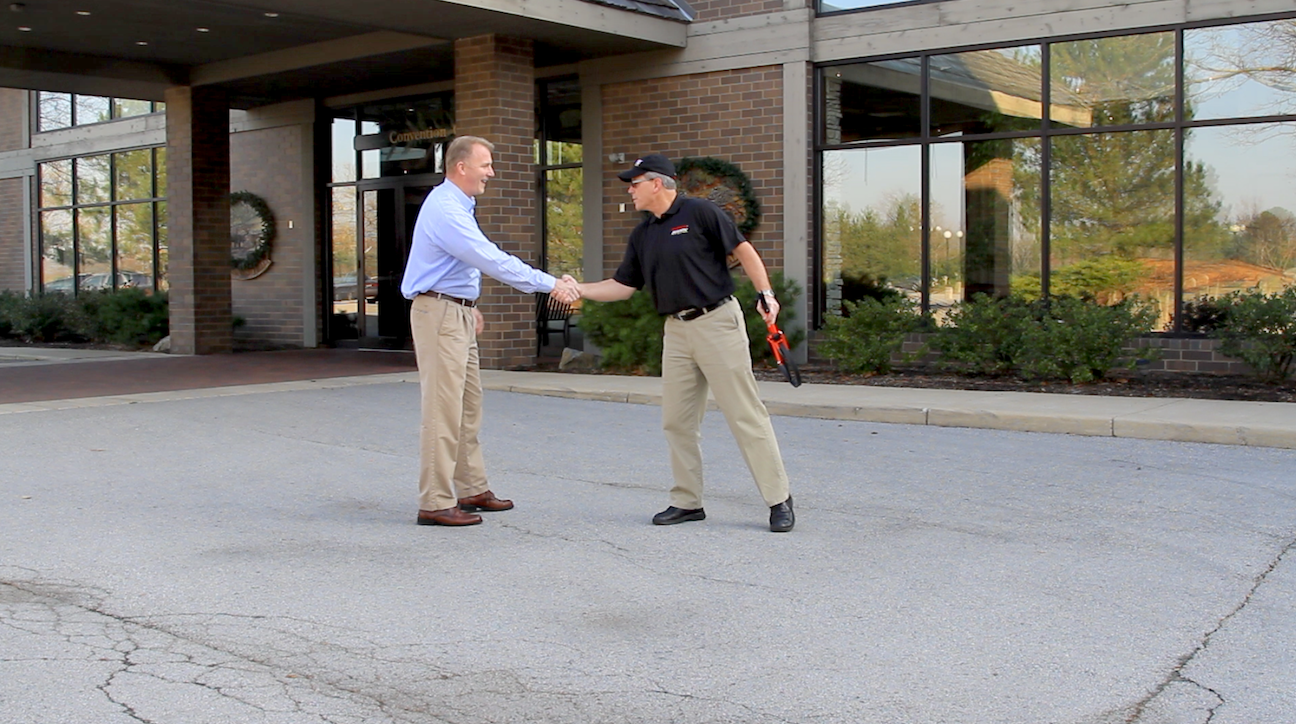
Don’t wait until pothole repair calls start coming in to prepare for the season. Contractors can start conversations with existing customers early and encourage them to address pavement damage before it gets worse.
Reach out to property managers, business owners and other customers with pavement that may need attention. Discuss known problem areas, upcoming pavement maintenance needs and repairs they may want to schedule. These early conversations can help you plan your workload and determine how much material you may need to keep on hand.

Municipalities and road crews can take a similar approach by reviewing known trouble spots, previous repair locations and roads that typically require attention. Planning gives crews time to prioritize repairs, prepare equipment and stock pothole repair materials before demand increases.
Show Customers Why Pothole Repair Matters
When talking with customers about pothole repair, don’t just point out the damage. Help them understand why it should be addressed.
Explain that potholes can continue to grow as traffic and weather further damage the surrounding pavement. Timely repairs can help prevent additional deterioration while providing a safer surface for vehicles and pedestrians.
Show customers the areas that need attention and explain the repair process in simple terms. Photos can be especially helpful when working with property managers or other decision-makers who may not regularly walk the property.
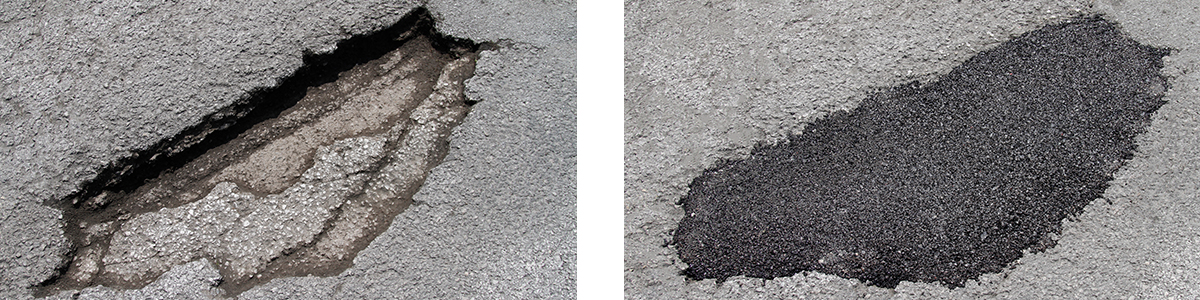
You can also use the conversation to discuss the customer’s overall pavement condition. Potholes may not be the only maintenance need on the property. Cracks and other deteriorated areas may need attention to help prevent additional problems.
The goal is to help customers understand what needs to be repaired, why it matters and what they can do to better protect their pavement investment.
Stock Up on Asphalt Cold Patch Before Pothole Season
Once pothole repair work starts picking up, the last thing you want is to wait on materials. Keeping asphalt cold patch on hand helps contractors and road crews stay ready to make repairs as potholes develop throughout the season.
Cold patch offers a practical solution because crews can use it without heating or specialized mixing equipment. This makes it especially useful when crews need to respond quickly or make repairs during colder months when hot mix asphalt may not be readily available.
But not all cold patch materials perform the same. Before stocking up for pothole season, consider the conditions your crews are likely to encounter. Look at whether the material can be used in wet or cold conditions, how it needs to be prepared and compacted, how quickly the repair can reopen to traffic and how the material should be stored.
Choosing the right asphalt cold patch and having enough material ready can help keep pothole repair work moving when demand increases.
Choose the Right Cold Patch for Pothole Repair
Pothole repairs don’t always happen under ideal conditions. Crews may need to make repairs when temperatures are low, the pavement is wet or traffic needs to return to the area quickly. Having the right asphalt cold patch on hand can help contractors and municipalities stay ready for a variety of repair needs.
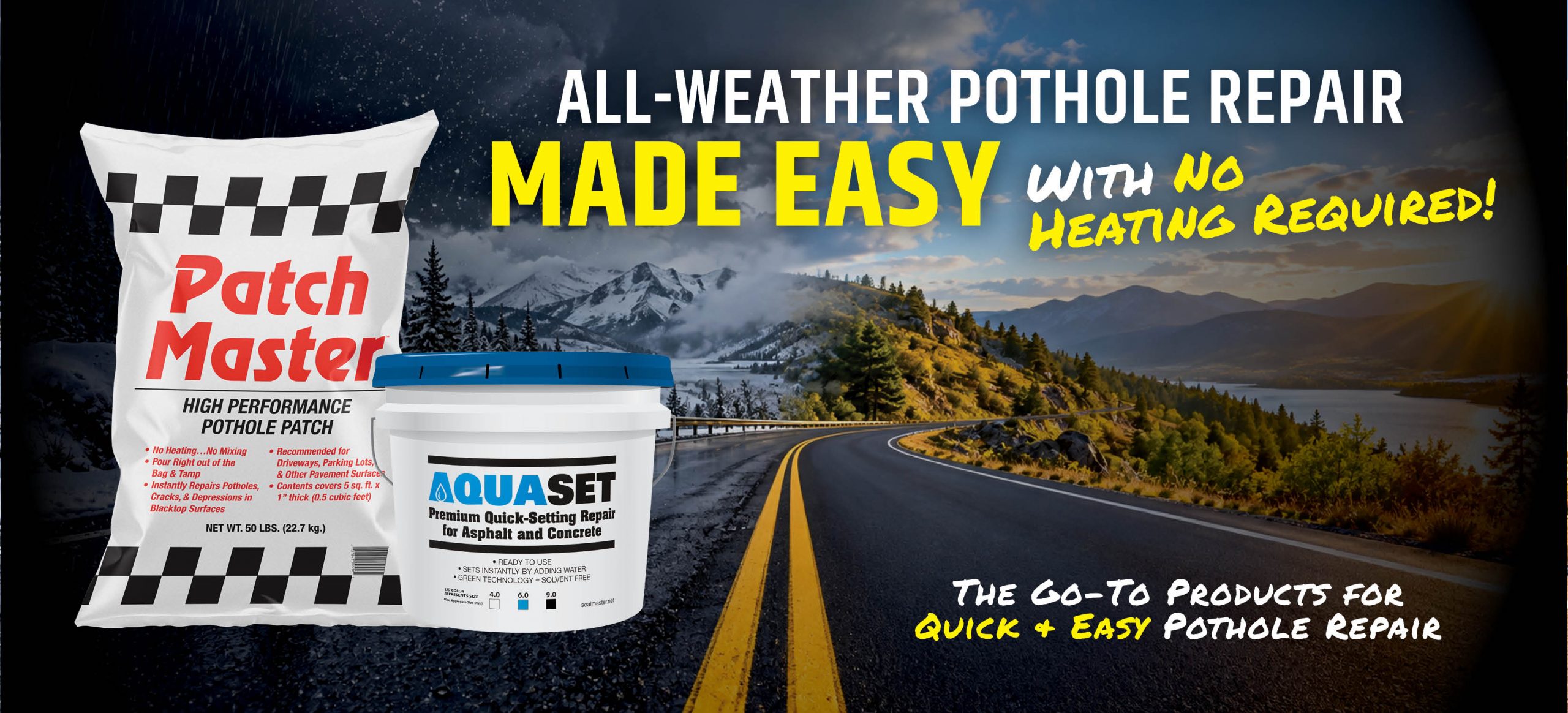
SealMaster offers two all-weather options for pothole repair: PatchMaster® and Aquaset®.
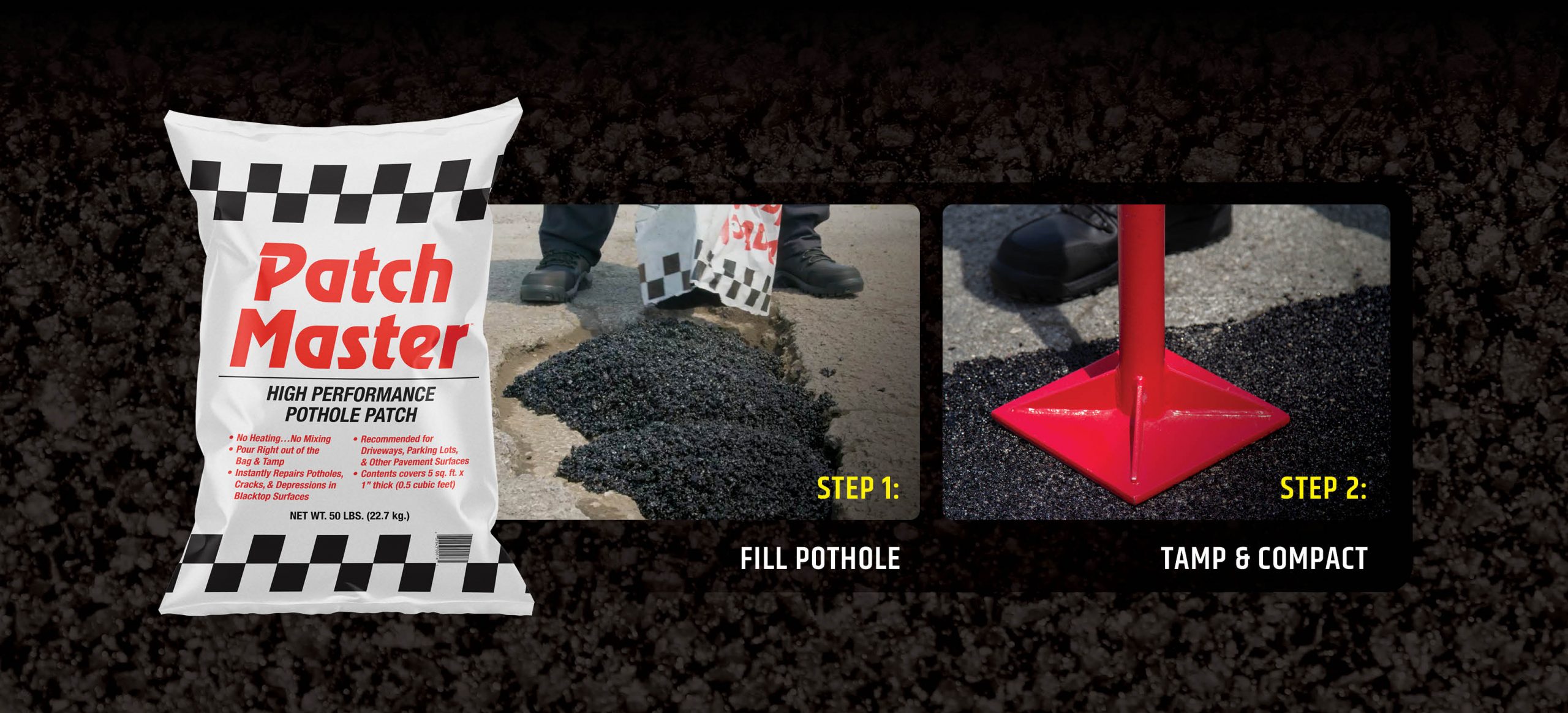
PatchMaster®: The Cold Patch with Hot Mix Performance
PatchMaster is a high-performance, cold-applied patching material designed for pothole repairs in wet or dry conditions. It remains pliable in cold temperatures, making it a dependable option when colder weather makes other pavement maintenance applications less practical.
Application is quick and easy. Pour PatchMaster directly from the bag into the pothole, tamp or compact the material and move on to the next repair. No heating is required. Crews can use PatchMaster for full-depth repairs on asphalt and concrete roads, streets, parking lots, driveways and other pavement surfaces.
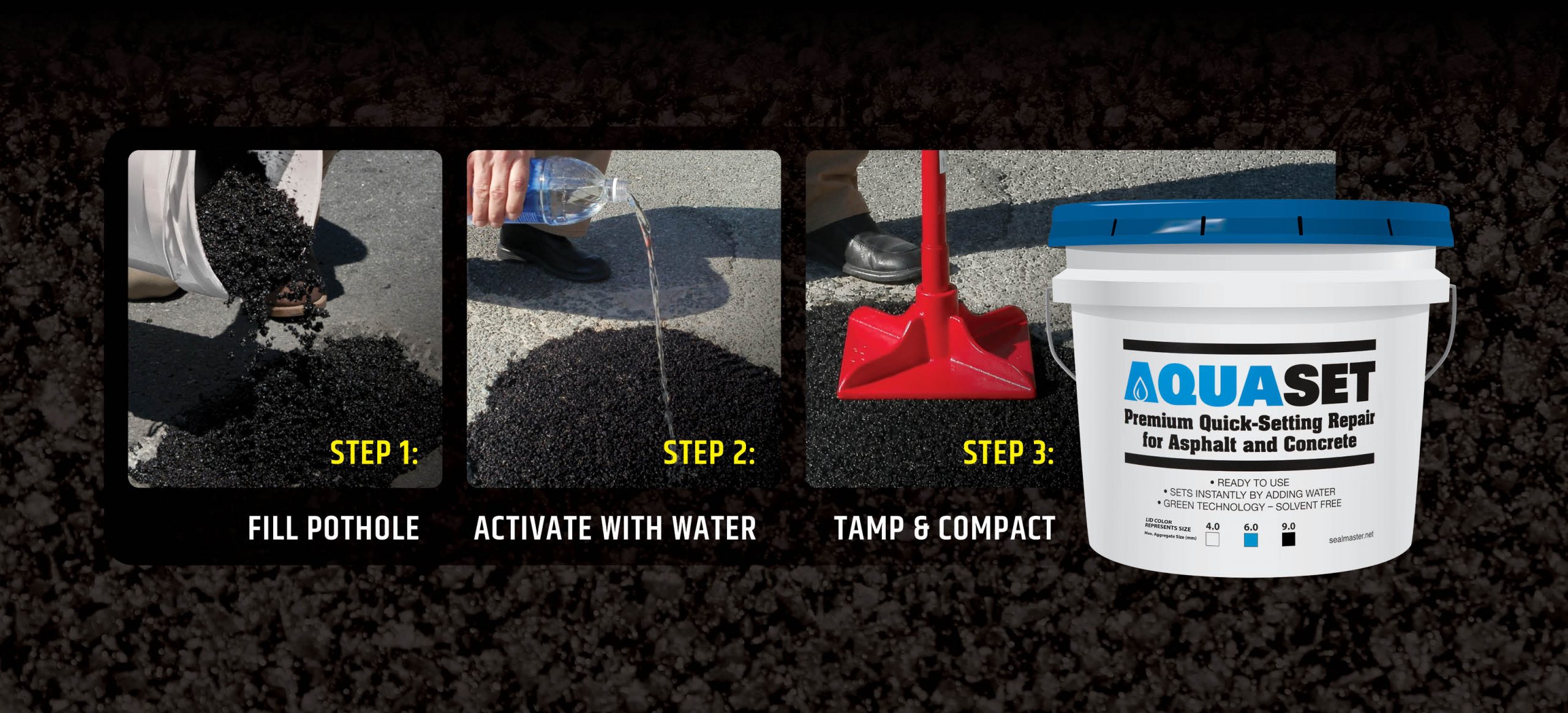
Aquaset®: Premium, High-Performance Cold Patch
Aquaset is a water-activated cold patch designed for asphalt and concrete repairs in hot or cold, wet or dry conditions. After adding water, Aquaset sets within minutes and is immediately ready for traffic after compaction.
Aquaset comes in three grades to match the depth of the repair. Use 4 mm for cracks and potholes less than 1 inch deep, 6 mm for potholes 1 to 3 inches deep and 9 mm for deep holes and base repairs.
Keeping PatchMaster and Aquaset on hand gives crews all-weather pothole repair options that are ready when the next repair comes up.
Proper Compaction Matters
The right pothole repair material is important, but how crews install it matters too. Proper compaction creates a denser patch that can better withstand traffic and last longer.

Before filling the pothole, remove loose debris with a broom or blower. After placing the patch material, compact it according to the manufacturer’s recommendations.
For deeper repairs, crews may need to place and compact the material in layers to achieve proper full-depth compaction. Taking the time to properly compact each repair can help prevent rutting and keep crews from returning to repair the same pothole again.
Get Your Equipment Ready
Having asphalt cold patch on hand is only part of preparing for pothole season. Make sure the equipment and tools your crews rely on are ready to go before repair work picks up.
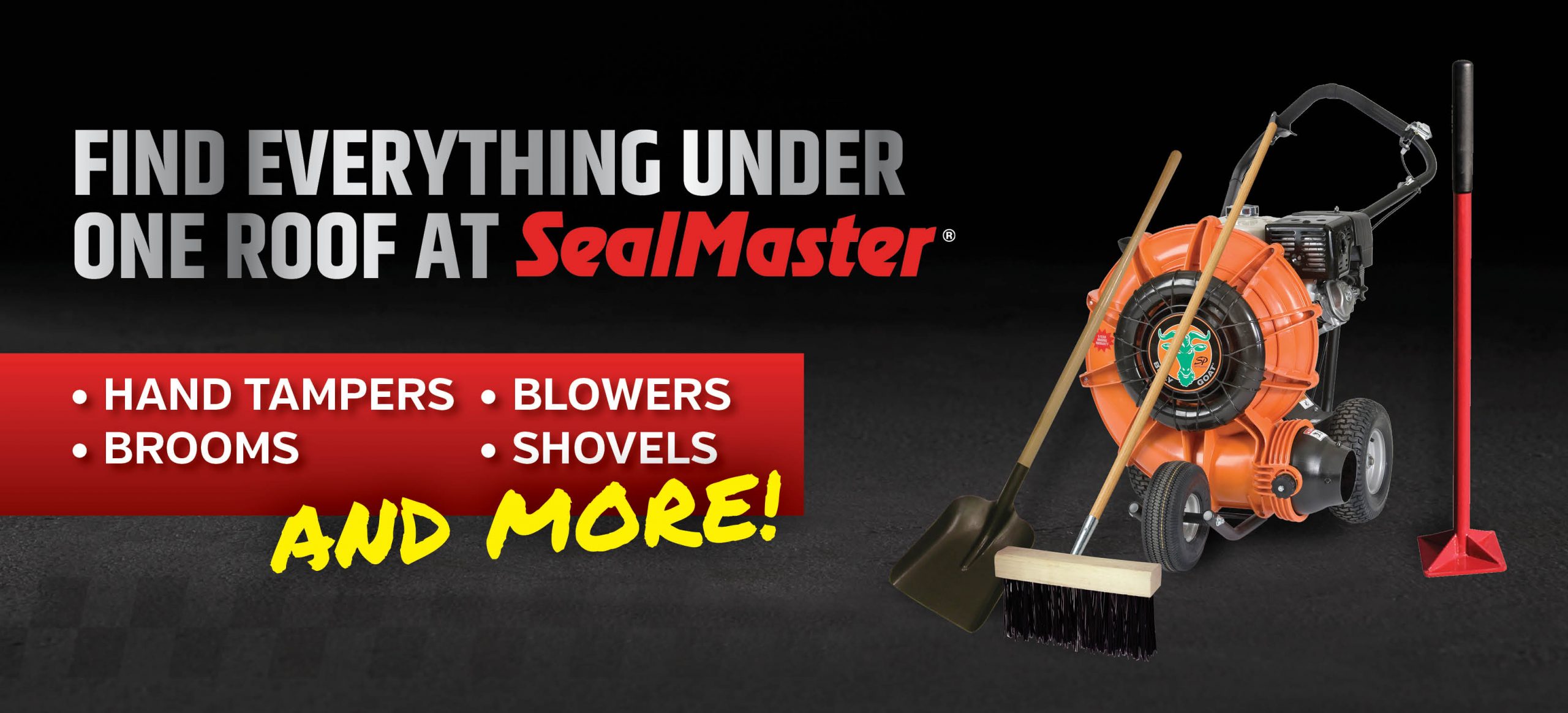
Check hand tampers, plate compactors, blowers, brooms, shovels and other tools used to prepare and repair potholes. Service equipment as needed and replace worn or damaged parts before they slow down a job.
Contractors should also consider how crews will transport materials and equipment from job to job. Keeping commonly used tools and pothole repair materials together can make it easier to load up, get to the job and move on to the next repair.
Plan for Pothole Repair Requests
Once pothole season is underway, repair requests can add up quickly. Creating a plan for how you will handle those requests will help you determine which jobs need attention first and keep work organized throughout the season.

For contractors, consider setting aside time in your schedule for pothole repair instead of trying to fit every request between larger jobs. When a customer calls about another project or you are already on-site, use the opportunity to ask about any potholes or other pavement damage that may need attention. A quick conversation can help identify additional work and give you a chance to schedule repairs before the damage gets worse.
Municipalities can prioritize repairs based on factors such as traffic volume, pothole size and potential safety concerns. Keeping track of completed repairs can also help identify locations where potholes continue to return and may point to a larger pavement problem.
Be Prepared for Pothole Season
Potholes can develop quickly as changing temperatures, moisture and traffic take a toll on the pavement. Preparing ahead of time puts contractors, municipalities and road crews in a better position to respond when repairs are needed.
Start conversations with customers early, stock the right asphalt cold patch and make sure your crews and equipment are ready to go. With a plan in place and quality pothole repair materials on hand, you can take on pothole season with fewer surprises and keep repairs moving as needs arise.

Learn More About Preventive Pavement Maintenance
Pothole repair is an important part of pavement maintenance, but addressing cracks before they allow water to penetrate the pavement can help prevent extensive damage.
Learn more about the role crack filling plays in protecting asphalt pavement in our guide, Why Cold-Pour Crack Fillers are the Best for Parking Lot and Driveway Repair.
Read Next: Why Cold-Pour Crack Fillers are the Best for Parking Lot and Driveway Repair
SealMaster Support & Expertise
For more than 55 years, SealMaster has been the trusted source for pavement maintenance products, equipment and professional expertise. From asphalt cold patch and crack fillers to sealcoating products and application equipment, SealMaster provides contractors and municipalities with the products and support they need for pavement maintenance.
With more than 160 locations nationwide, SealMaster representatives are available to help you choose the right pothole repair materials for your needs and prepare for the season ahead.
Contact your local SealMaster today to stock up on PatchMaster®, Aquaset® and other pavement maintenance products. Call (800) 395-7325 to find a location near you.