
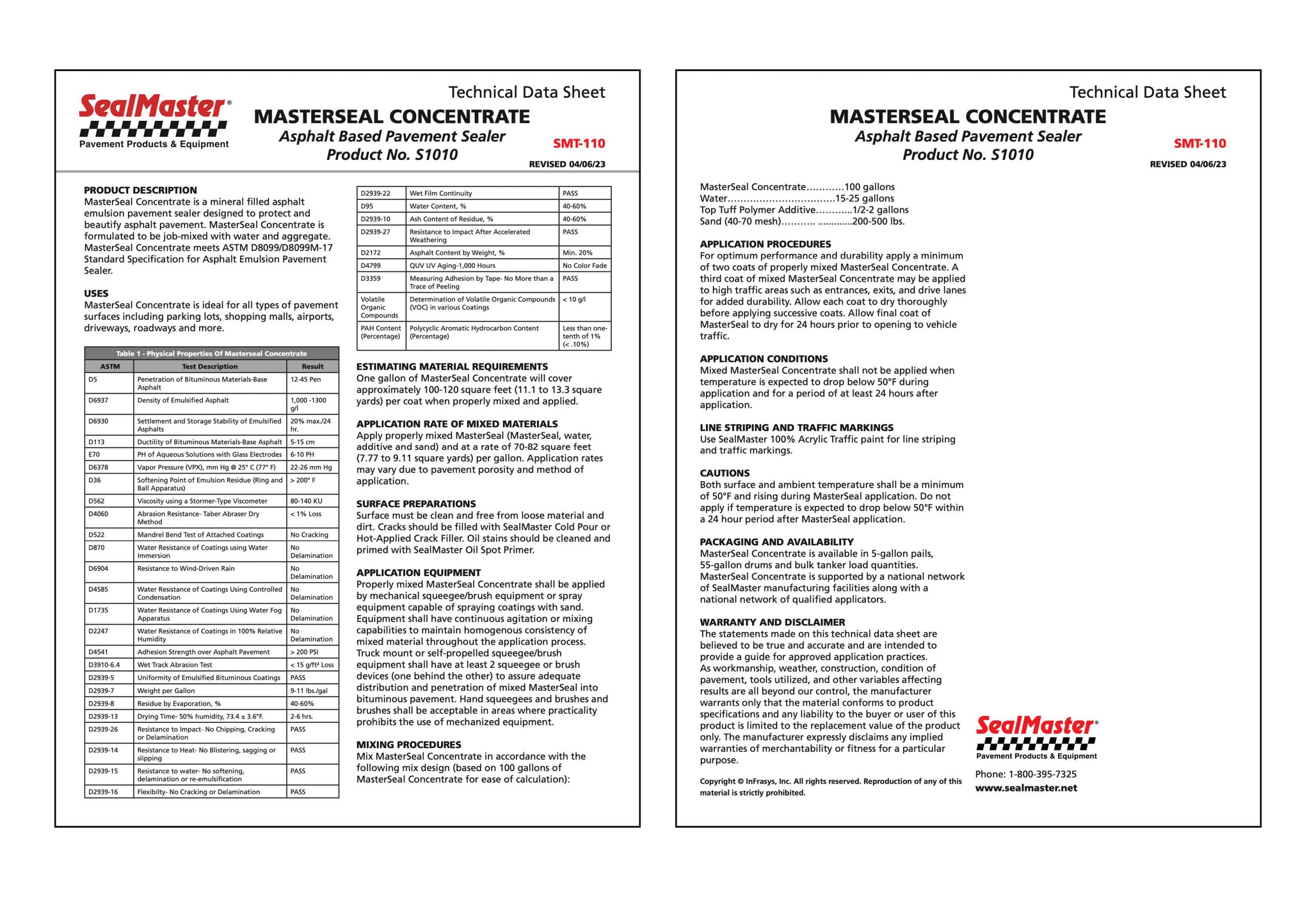
When it comes to mixing pavement sealer, more isn’t always better. More water doesn’t mean more material. More sand doesn’t automatically mean better traction. The right mix starts with following the manufacturer’s recommended mix design.
Pavement sealers are formulated to be mixed and applied within specific guidelines. The amount of water, sand and approved additives can affect how the material mixes, moves through equipment, applies to the pavement and performs after application.

Adding too much or too little of any component can change the finished mixture’s characteristics. That’s why contractors shouldn’t rely on guesswork or assume the same mix design applies to every pavement sealer.
Before you start mixing, check the product label and technical data sheet and follow the recommended mix design for the specific pavement sealer you’re using.
What You’ll Learn
- What Is a Pavement Sealer Mix Design?
- Why Following a Recommended Mix Design Matters
- What Happens If You Add Too Much Water?
- What Happens If You Don’t Add Enough Water?
- What Happens If You Add Too Much Sand?
- What Happens If You Don’t Add Enough Sand?
- What Happens If You Add Too Much Additive?
- What Happens If You Don’t Add Enough Additive?
- Proper Mixing and Agitation Matter Too
- One Mix Design Doesn’t Fit Every Pavement Sealer
- Learn More About Proper Sealcoating
- SealMaster Expertise & Support
What Is a Pavement Sealer Mix Design?
A pavement sealer mix design specifies the recommended amounts of water, sand or aggregate, and approved additives to combine with the sealer concentrate before application. These recommendations are tailored for each product and help ensure that the finished mixture performs as intended.
There is no universal mix design for pavement sealers. Different products have unique formulations and mixing requirements, so a mix design suitable for one sealer should not be used for another.
Before mixing, always refer to the product label and technical data for the specific pavement sealer you are using. Pay close attention to the recommended mixing ratios, approved materials and application requirements. Always use the provided instructions for the specific pavement sealer as your starting point.
Why Following the Recommended Mix Design Matters
The mix design directly affects how pavement sealer applies, cures and performs. Changing the recommended proportions of water, sand or additives can affect the mixture’s consistency, its ability to bond to the pavement and the durability of the finished coating.
Too much or too little of any component can throw the mixture out of balance. What seems like a small adjustment in the tank can lead to application problems, uneven results, premature wear or other performance issues after the sealer is applied. Following the recommended mix design helps ensure the pavement sealer performs how it’s intended.
What Happens If You Add Too Much Water?
Adding extra water may seem like an easy way to make pavement sealer go further, but an overly diluted mix can cause application problems and affect the finished coating.
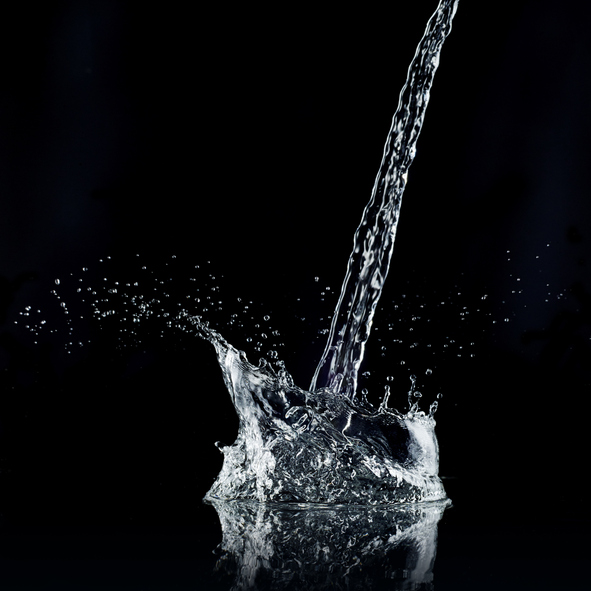
Too much water can weaken the sealer’s protective film and its ability to bond properly to the pavement, contributing to premature wear, flaking and dusting. Excess water can also affect the suspension of clays, sand and other solids, causing them to separate or settle unevenly.
During application, an overly thin mix can flow too quickly and create uneven coverage.
Adding more water may give you more volume in the tank, but it doesn’t give you more pavement sealer. Too much can affect everything from application and adhesion to the durability of the finished surface.
What Happens If You Don’t Add Enough Water?
If too much water can weaken a pavement sealer mix, using less may seem like it would produce a stronger coating. But too little water can make the mixture too thick and heavy to spread properly.
A thick mix can drag during application and make it difficult to achieve a smooth, uniform coating. It may leave behind heavy ridges, streaks or squeegee and roller marks and may not properly coat the pavement aggregate. This can also create adhesion issues.
Too little water can also cause crews to apply a heavier film than intended, using more material without improving the finished application. Heavy areas may remain soft longer, particularly in hot weather, increasing the potential for tire tracking. When spraying, an overly thick mix can also contribute to clogged equipment and an inconsistent spray pattern.
Less water doesn’t mean a stronger pavement sealer. Too little can make the material harder to apply, increase material use and leave behind an uneven finished surface.
What Happens If You Add Too Much Sand?
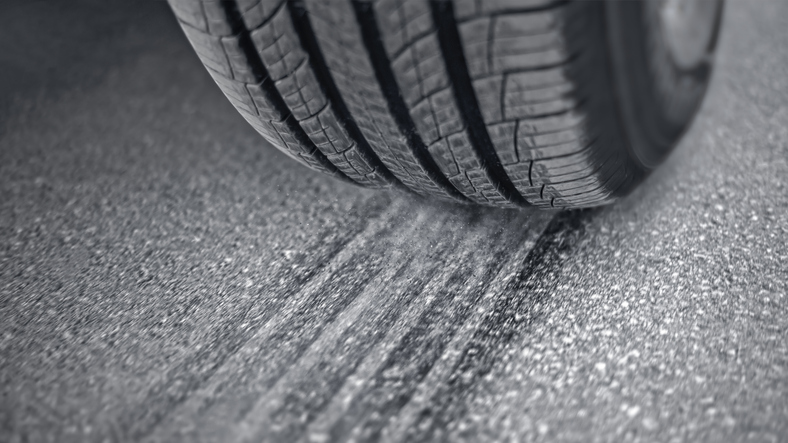
Sand can improve texture, traction and wear characteristics, but adding too much can throw the pavement sealer mix out of balance.
Excess sand absorbs the liquid binder in the sealer, leaving less binder available to hold the mixture together and bond the coating to the pavement. Without enough binder, the cured coating can become brittle and lose flexibility, making it more susceptible to cracking, flaking and delamination under traffic.
Too much sand can also make the mixture thick and difficult to apply, leading to clogged spray tips and increased wear on application equipment. Once applied, excess aggregate can leave the finished surface rough, gritty and uneven.
More sand doesn’t necessarily mean better traction or durability. Too much can weaken adhesion, reduce flexibility and ultimately compromise the performance of the finished coating.
What Happens If You Don’t Add Enough Sand?
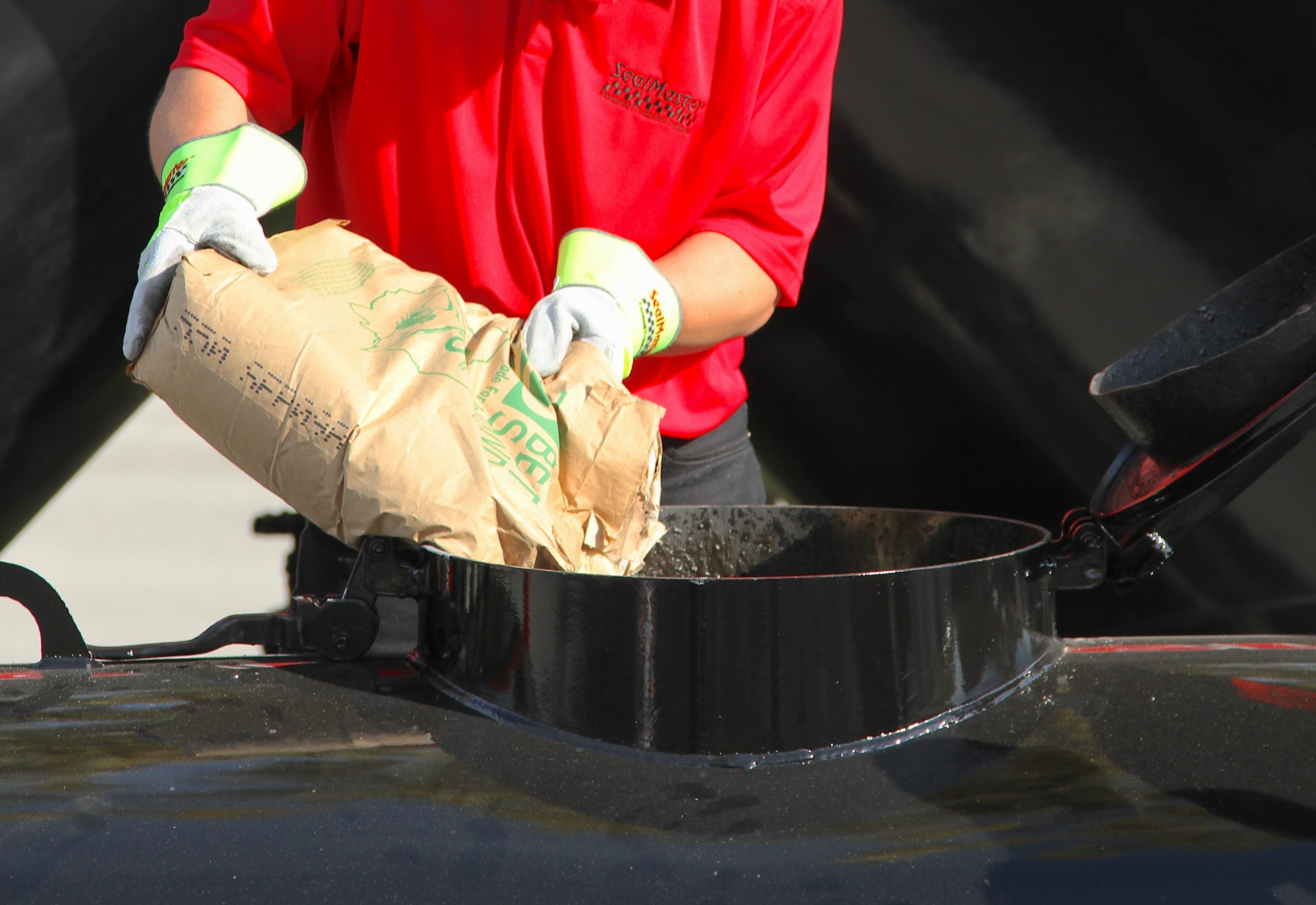
Sand plays a vital role in providing texture and traction to the finished pavement surface. If insufficient sand is added, the cured sealer may become smooth and slippery, particularly when wet. This can lead to unsafe conditions for pedestrians and increase the risk of vehicles skidding on the pavement.
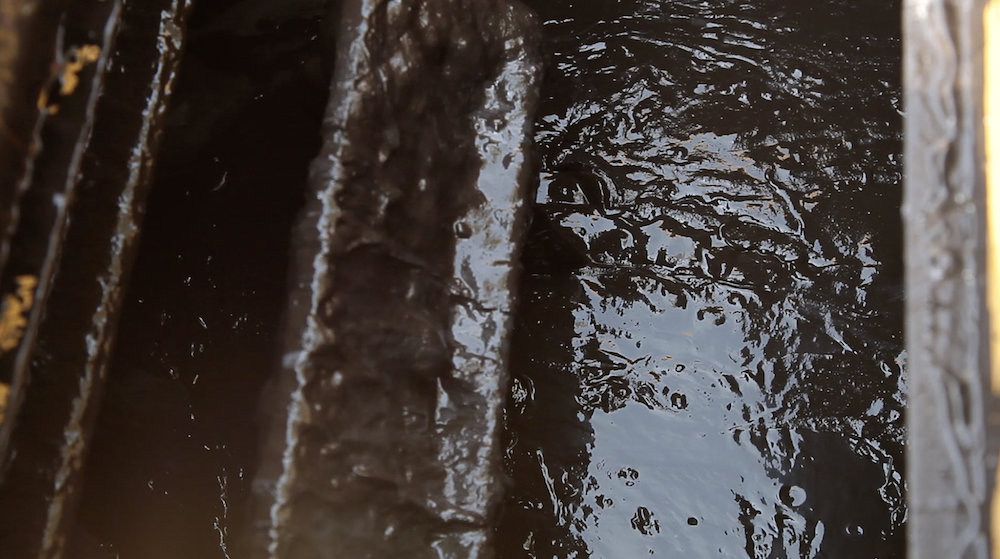
Too little sand can also reduce the durability of the coating. Without enough aggregate to help withstand traffic, the sealer may wear prematurely and become more susceptible to scuffing and tire marks. 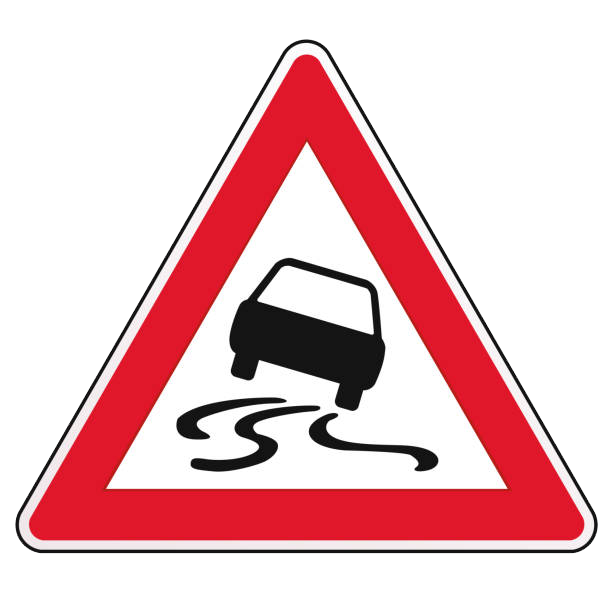
Sand also helps fill minor surface voids and creates a more uniform finish. Without enough, the pavement may have a smoother, shinier appearance with more noticeable glare and tire marks.
Adding the proper amount of sand isn’t just about appearance. It helps create a safer surface with the traction and wear resistance needed to withstand regular traffic.
What Happens If You Add Too Much Additive?
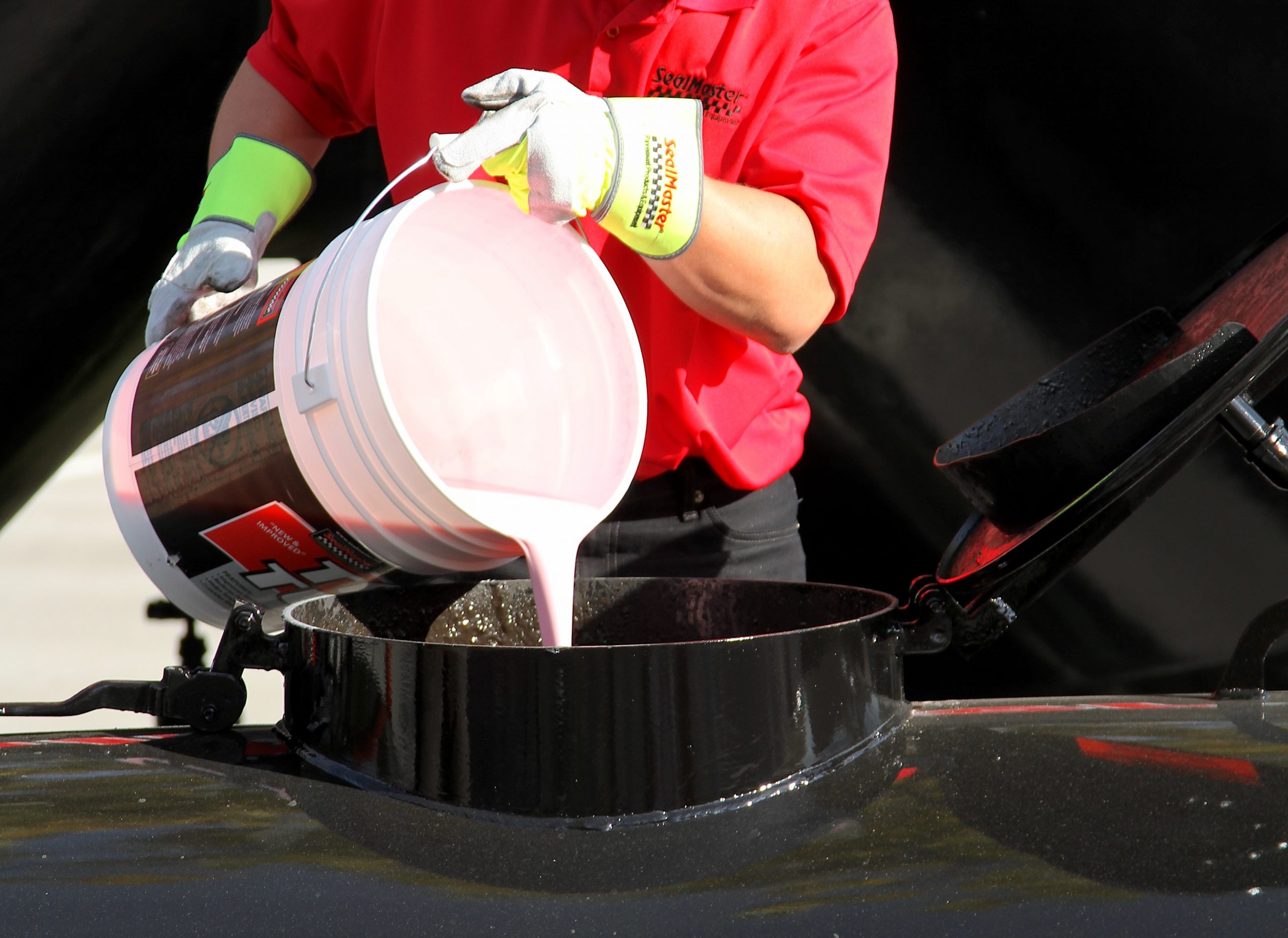
Polymer additives can improve adhesion, durability and other performance characteristics of pavement sealer. If you exceed the recommended amount, it can cause the sealer to become too thick, requiring additional water to maintain consistency. However, adding more water reduces the solids content, ultimately weakening the sealer and compromising its performance.
What Happens If You Don’t Add Enough Additive?
Too little additive can prevent the pavement sealer from achieving the performance benefits that it is designed to provide.
Some additives help keep sand and aggregate suspended throughout the mixture. An insufficient amount allows the materials to settle in the tank. The uneven distribution can produce a streaky, inconsistent application across the pavement.
Too little additive can also reduce adhesion and durability. The finished coating may experience premature wear, power-steering scuffs, flaking or peeling. Mixing the proper amount of additive helps maintain a consistent mix and supports the adhesion, durability and performance of the final application.
Proper Mixing and Agitation Matter Too
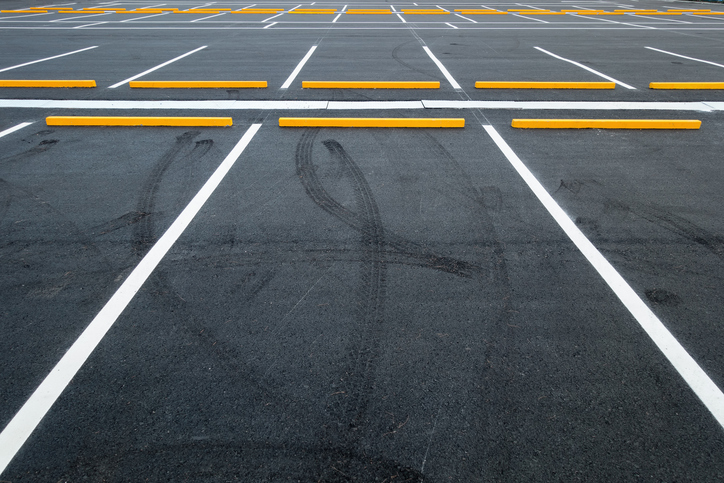
A proper mix design only works if the materials stay thoroughly mixed and evenly distributed. Sand and other solids naturally settle over time, so consistent agitation is important.
Mechanical agitation helps keep sand and other solids suspended throughout the pavement sealer. Equipment with hydraulically driven agitation systems can provide continuous mixing, while rubber wiper blades help sweep material from the sides and bottom of the tank to prevent buildup and settling.
Always follow the recommended mixing order and allow enough time for each component to blend completely. Continue agitating the pavement sealer throughout application as recommended to maintain a uniform mixture. The correct mix design and proper agitation work together to maintain a consistent pavement sealer mixture.
One Mix Design Doesn’t Fit Every Pavement Sealer
There is no universal mix design for pavement sealer. Each product has its own formulation and may require different amounts of water, sand and additives.
Before mixing, review the product’s technical data sheet and follow the recommended mix design for the specific pavement sealer being used. If you switch products, review the mixing requirements before preparing the next batch. Following the correct mix design helps prevent application problems and ensures the pavement sealer performs as intended.

Learn More About Proper Sealcoating
Getting the mix right sets the stage for a successful sealcoat application. Proper pavement preparation, application methods and weather conditions all play an important role in the final result.
For a step-by-step look at the entire process, read our guide, Sealcoat 101: How to Sealcoat Asphalt Pavement.
SealMaster Support & Expertise
For more than 55 years, SealMaster has provided pavement maintenance professionals with pavement sealers, additives, application equipment and the technical expertise to help get the job done right.
Proper mixing starts with understanding the pavement sealer you’re using. Your local SealMaster professional can answer questions about mix design, compatible additives, sand requirements and application so you can prepare the material according to the product’s recommendations.
Contact your local SealMaster with questions about pavement sealer products and mix designs. Call (800) 395-7325 to find a location near you.