
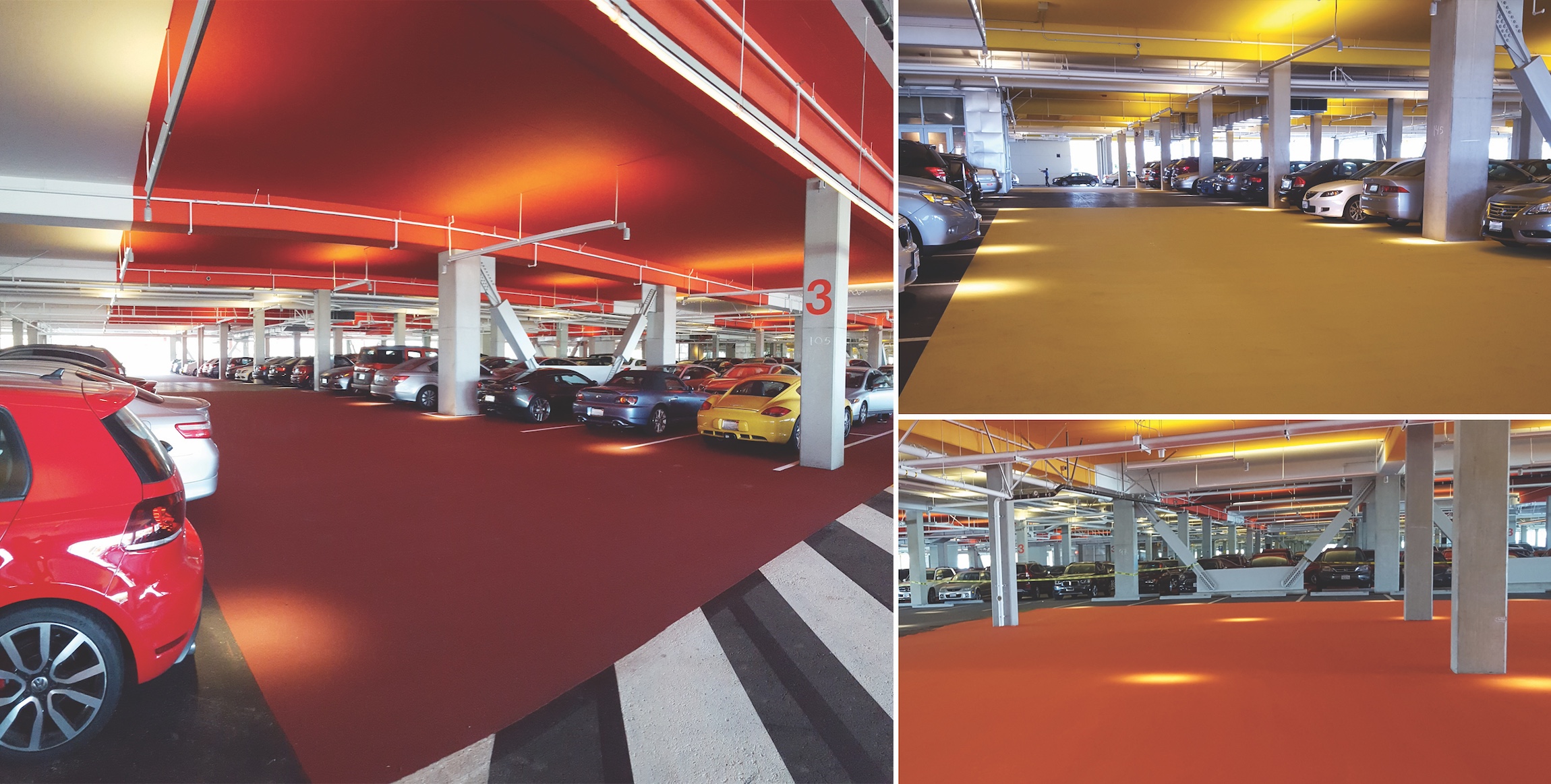
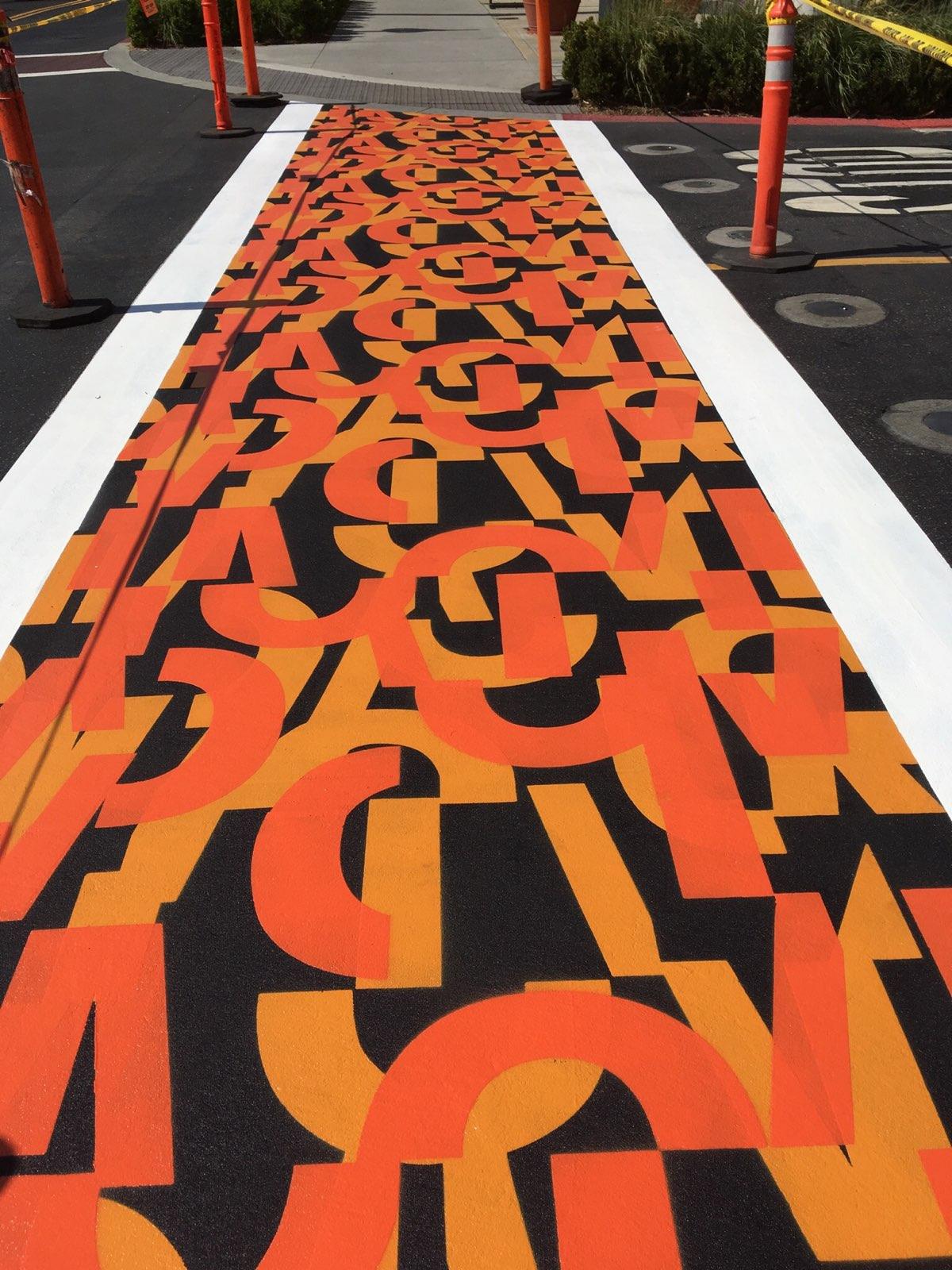
Asphalt color coatings are an effective way to enhance both the function and appearance of asphalt pavement surfaces. These coatings are commonly used to reduce surface temperatures for urban heat islands, improve curb appeal and guide vehicle and pedestrian flow through clearly defined, color-coded pavement areas.
Instead of adding pigment directly to hot mix asphalt, acrylic-based colorized coatings offer a more effective and versatile solution. Traditional methods typically result in dark, earthy colors that do little to reduce surface temperature. However, acrylic coatings provide a wider range of colors, including lighter, more reflective options that improve both performance and aesthetic value.
Common Color Coating Applications:
- Driveways
- Parking Lots
- Bike Paths
- Walking Trails
- Golf Cart Paths
- Recreational and Multi-Purpose Surfaces
- And Much More!
What You’ll Learn
- How to Apply Asphalt Color Coatings
- Step 1: Surface Preparation
- Step 2: Check Weather Conditions
- Step 3: Repairing Cracks
- Step 4: Mixing Ratios
- Step 5: Applying the Color Coating
- Step 6: Coverage Guidelines
- Common Mistakes to Avoid
- Ensuring Long-Term Performance
- Learn More About Colorized Coatings
- SealMaster Expertise and Support
Step 1: Surface Preparation
Proper surface preparation is critical to ensure adhesion and long-term performance.
- Remove dirt, dust, oil and debris
- Clean the surface thoroughly
- Ensure the pavement is dry and structurally sound
Tools Needed
- Lawn Edger
- Used to trim grass and weeds along the edges of the pavement
- Push or Rotary Broom
- Used to break up and remove heavy dirt deposits
- Power Blower
- Used to clear remaining dust and loose debris
- Pressure Washer
- Used in extreme cases where additional cleaning is necessary
- Crack Cleaners
- Used to clear dirt, debris and vegetation from cracks before crack filling
Thoroughly cleaning the pavement is important because it ensures it is free of contaminants that interfere with surface adhesion.
Step 2: Check Weather Conditions
The conditions during application are crucial for the success of the project.
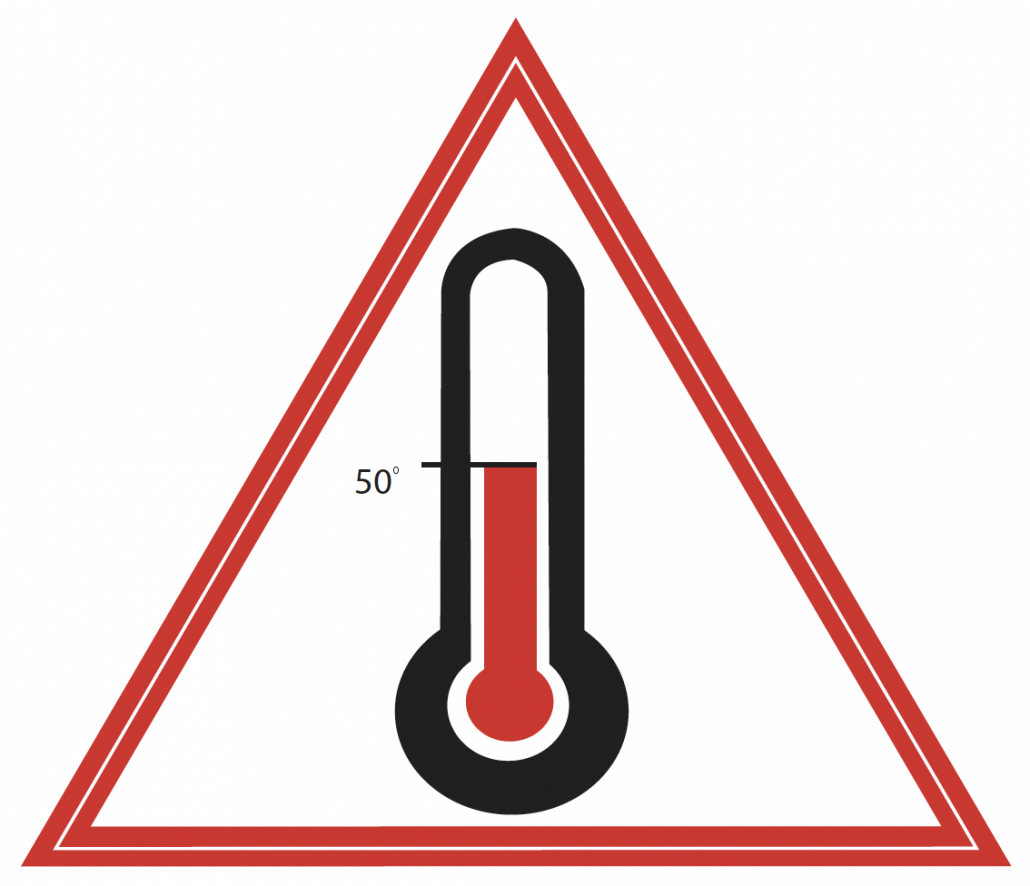
- Fill cracks and apply the material only when temperatures are above 50°F
- Keep temperatures above 50°F for at least 24 hours during and after application
- Do not apply if rain is forecasted
Planning for the weather in advance helps prevent washouts, poor curing and uneven results.
Step 3: Repair All Cracks
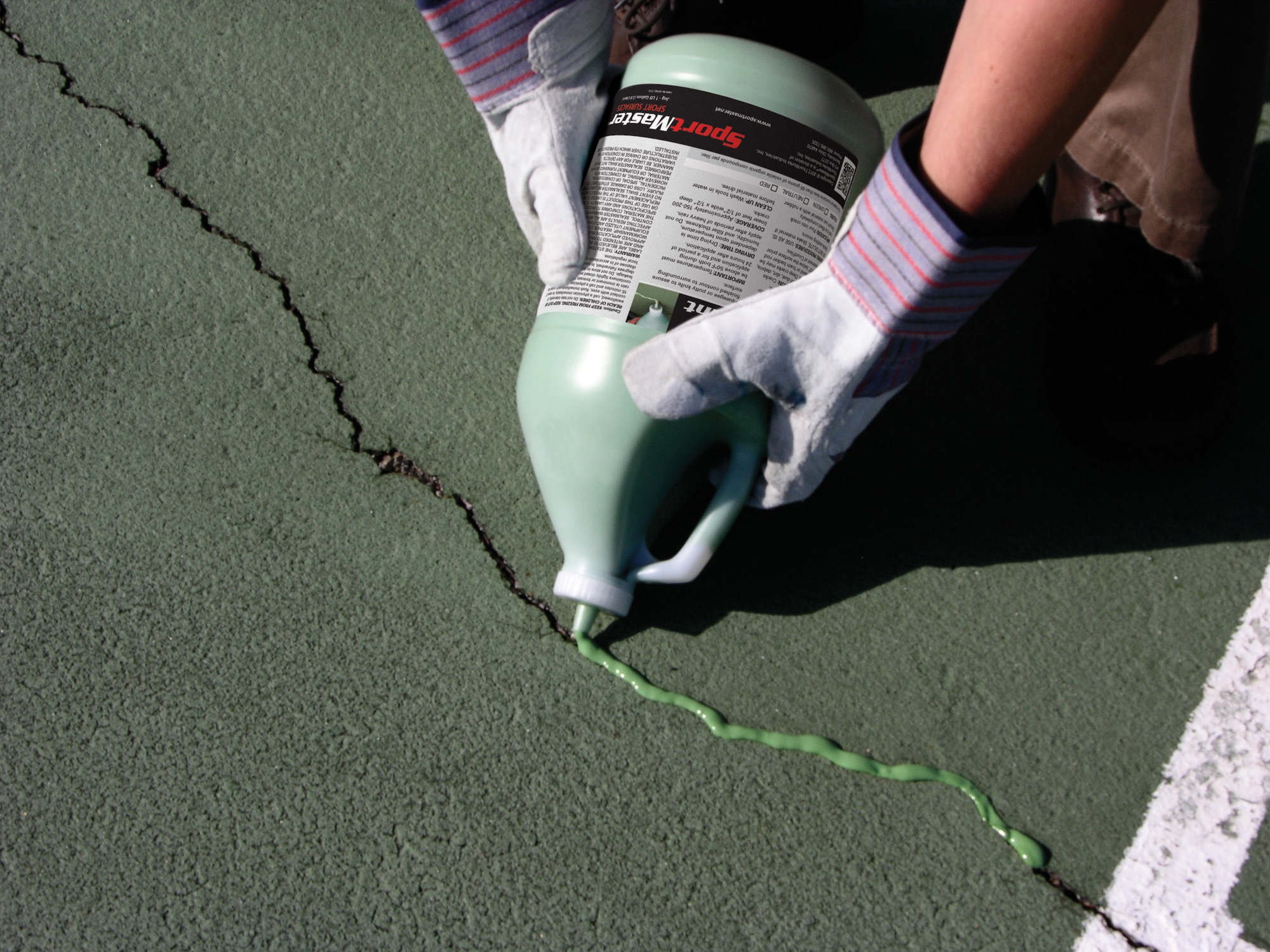
Crack-filling is a key part of the process and should not be overlooked. Properly filling cracks helps create a smooth, uniform surface and prevents moisture from penetrating the pavement, which can lead to premature coating failure.
- Fill all cracks using an acrylic crack filler
- Do not use hot-applied crack-filling materials
- Allow crack filler to fully cure before applying coatings
SealMaster Recommended Crack Fillers
Choosing the right crack filler is just as important as the coating itself. SealMaster offers acrylic crack repair products specifically formulated to work beneath colorized pavement coatings. Both CrackMagic and CourtFlex are available in a neutral color, preventing any color from bleeding through and helping to maintain a clean, consistent finish once coatings are applied.
Acrylic Crack Patch
Acrylic Crack Patch is an acrylic crack filler designed for repairing cracks in asphalt or concrete surfaces up to 1 inch wide. It can also be used to repair small depressions, spalling and other surface imperfections. 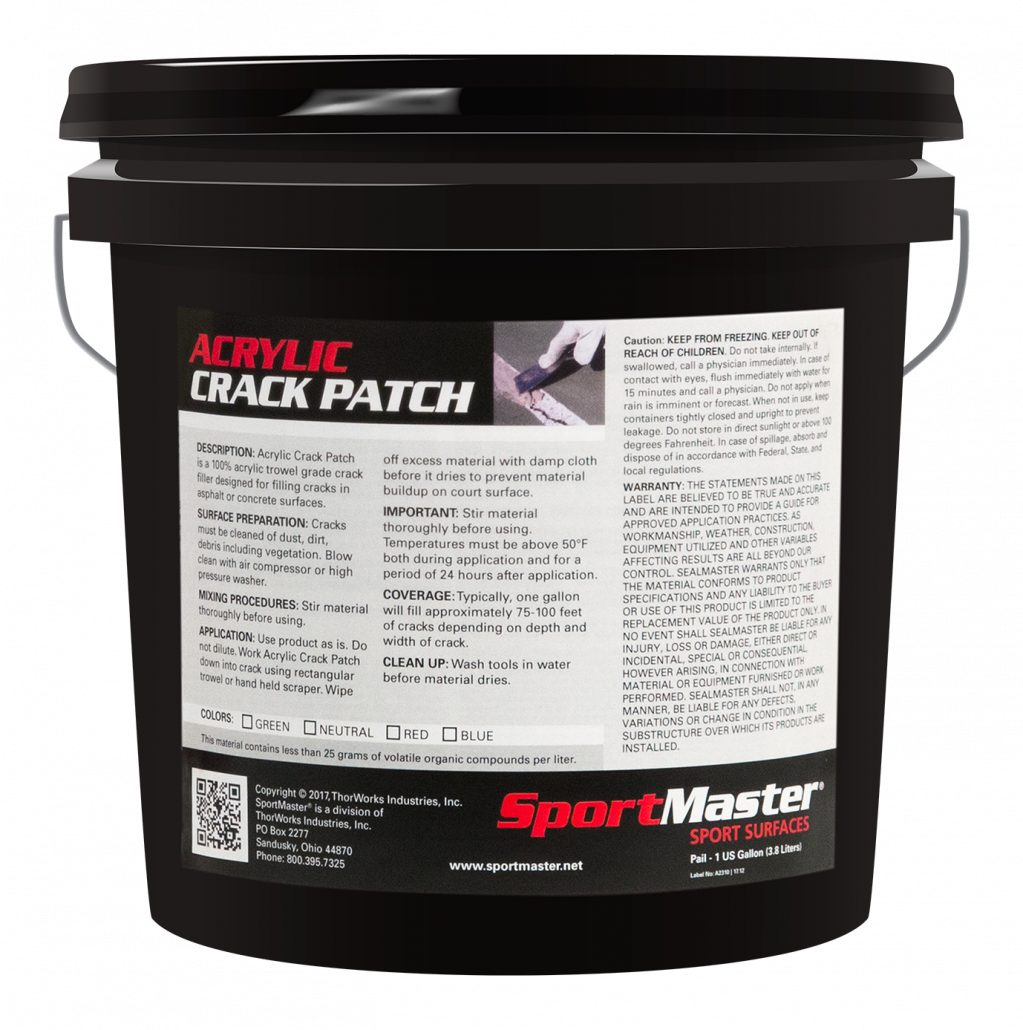
- Ready to use, do not dilute
- Stir thoroughly before application to ensure consistency
- Apply using a rectangular trowel or hand scraper, working the material fully into the crack
- Wipe away excess material with a damp cloth before it dries to prevent buildup on the surface
- Use only when temperatures are above 50°F and remain above 50°F for at least 24 hours
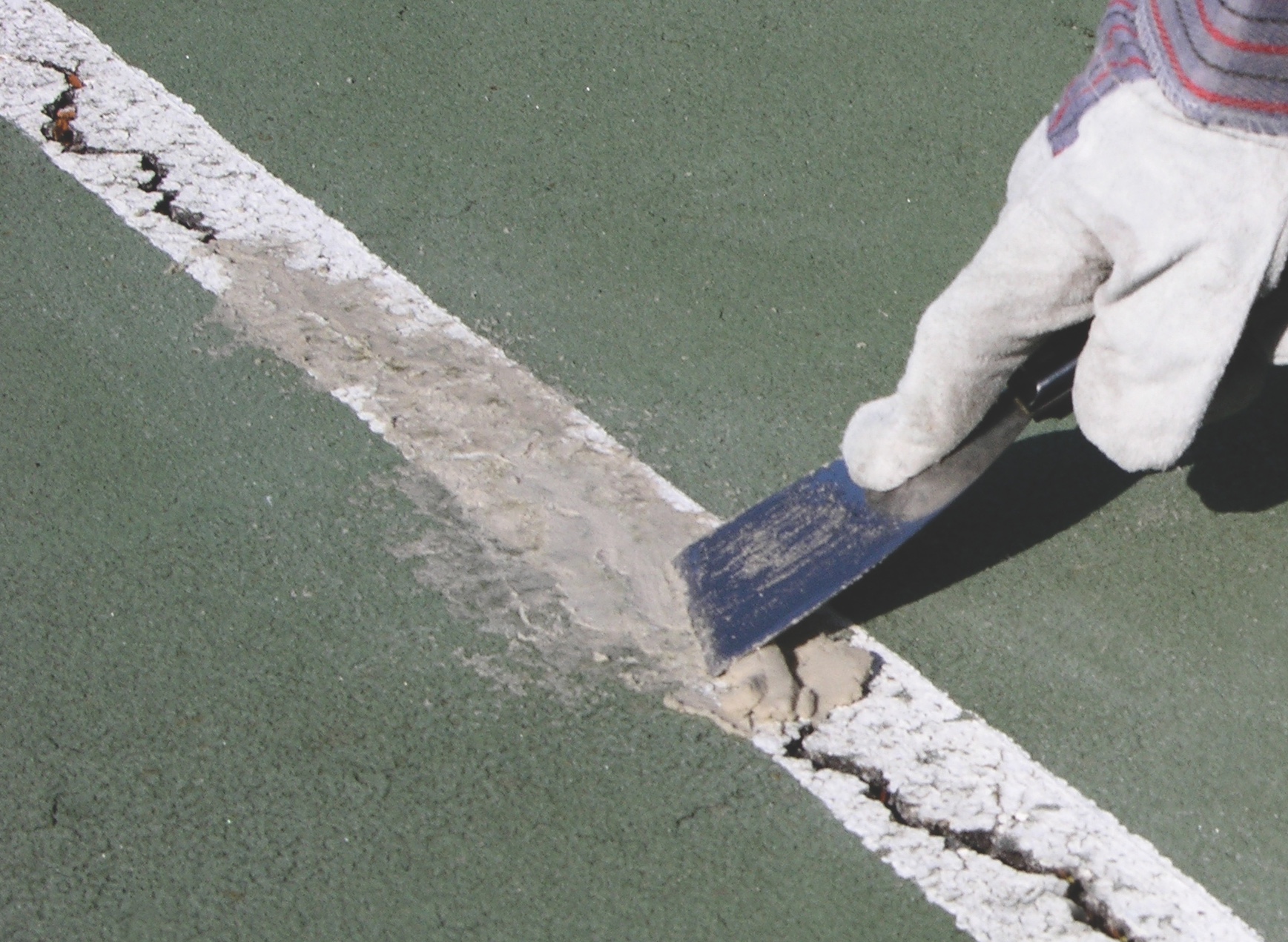
CrackMagic
CrackMagic is a 100% acrylic elastomeric crack sealant designed for sealing cracks in asphalt and concrete pavement surfaces. It creates a protective barrier against moisture intrusion while remaining flexible and easy to apply.
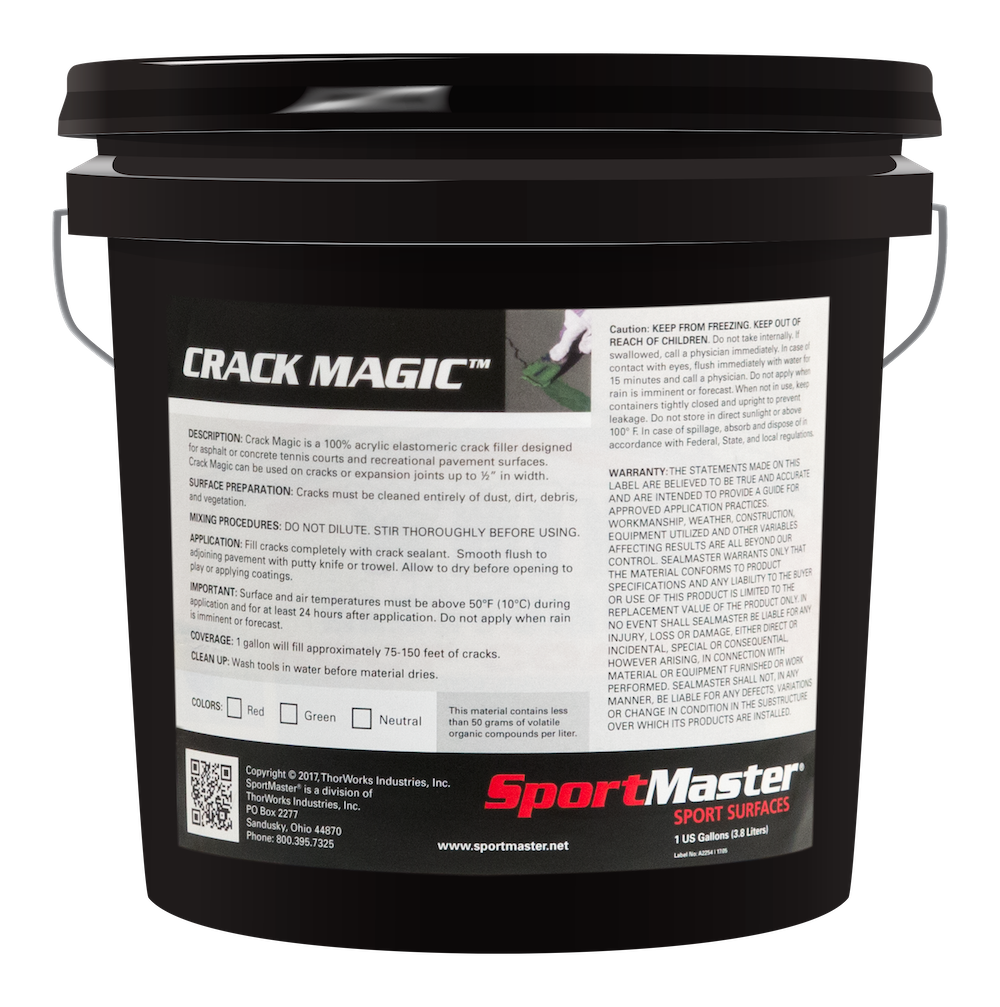
- Ready to use, do not dilute
- Fill cracks completely and smooth flush with a putty knife, trowel or U-shaped squeegee
- Feather edges to create a smooth transition with the surrounding surface
- Allow the material to fully dry before applying coatings or opening the surface
- Apply only when temperatures are above 50°F and remain above 50°F for at least 24 hours
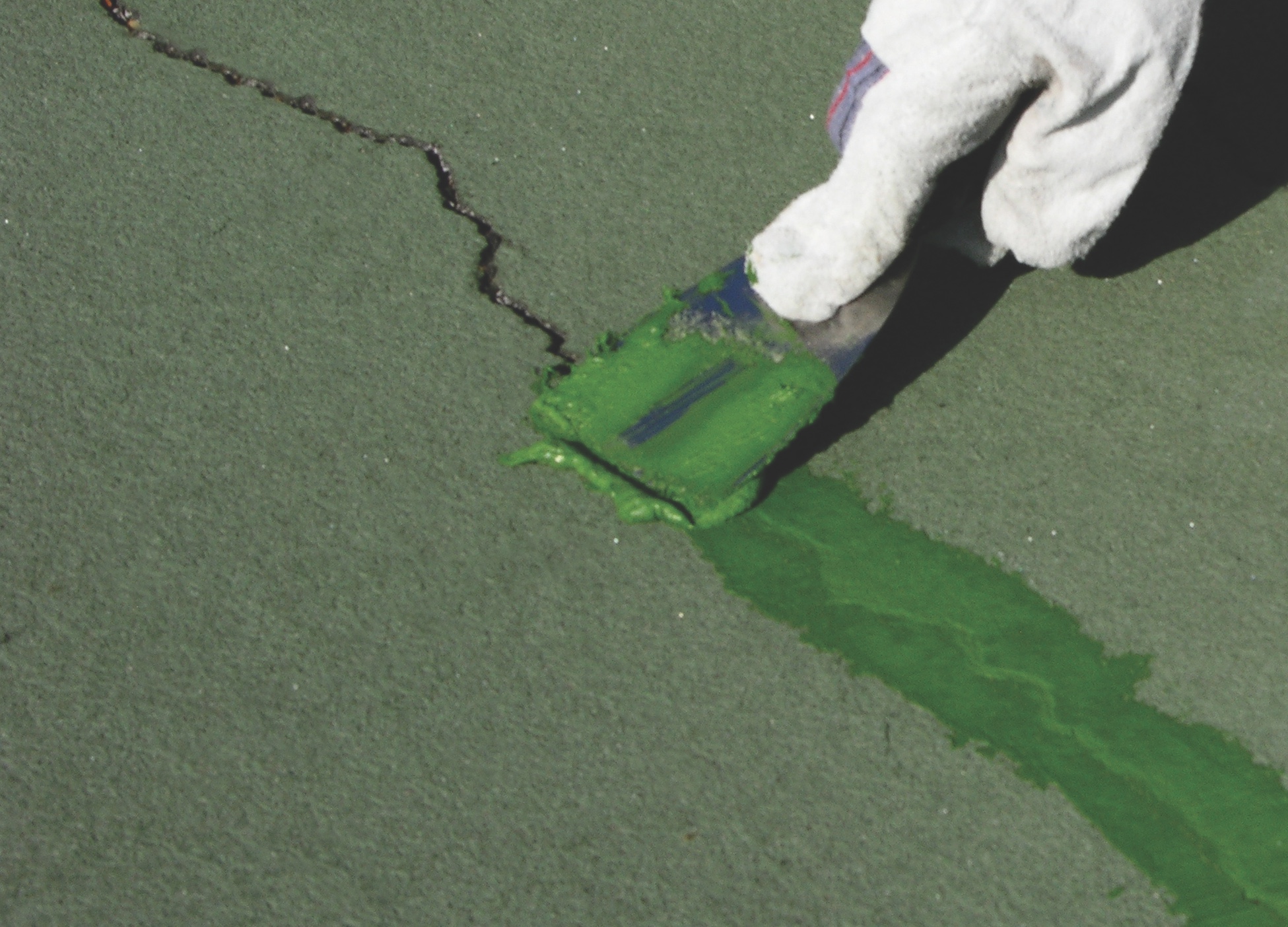
CourtFlex
CourtFlex is a pourable elastomeric crack filler designed for asphalt and concrete surfaces, particularly athletic and recreational areas. It is ideal for filling cracks up to 1/2 inch in width and maintains flexibility even in colder conditions.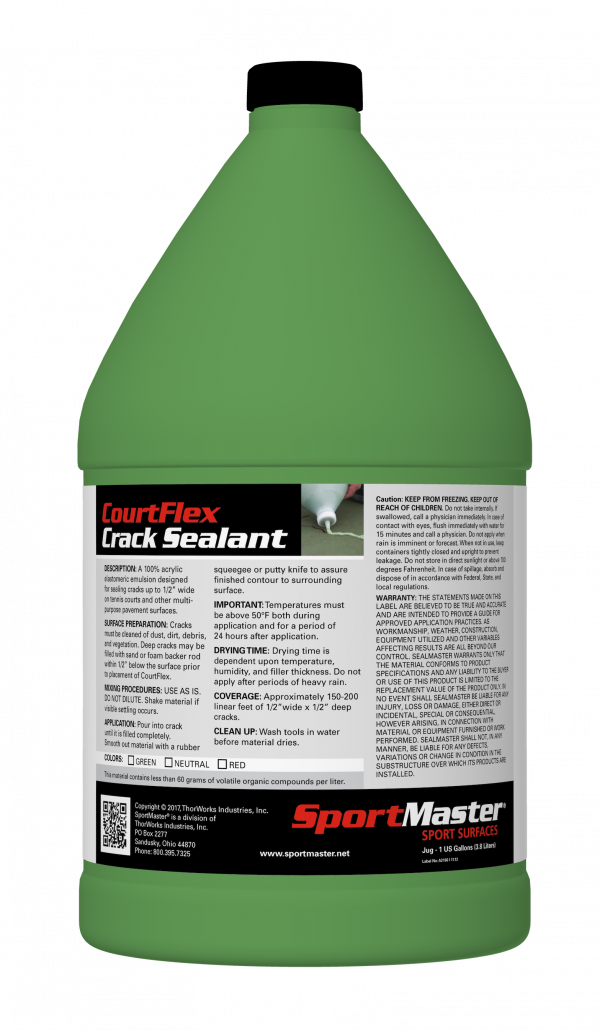
- Ready to use, do not dilute
- Pour directly into cracks until completely filled
- Ensure material remains at or slightly below the surface level
- Remove excess material and smooth using a rubber squeegee for a uniform finish
- Apply on a clean, dry surface when temperatures are above 50°F
- Allow proper set time based on temperature and humidity before proceeding
Step 4: Mixing Ratios
Proper mixing of color coatings is essential for achieving consistent color and performance. SealMaster provides a variety of color coating options through ColorPave, tailored to meet different job requirements.
ColorPave Neutral Concentrate
ColorPave Neutral Concentrate is designed for on-site mixing and allows for greater control over the final product.
Typical Mix Design:
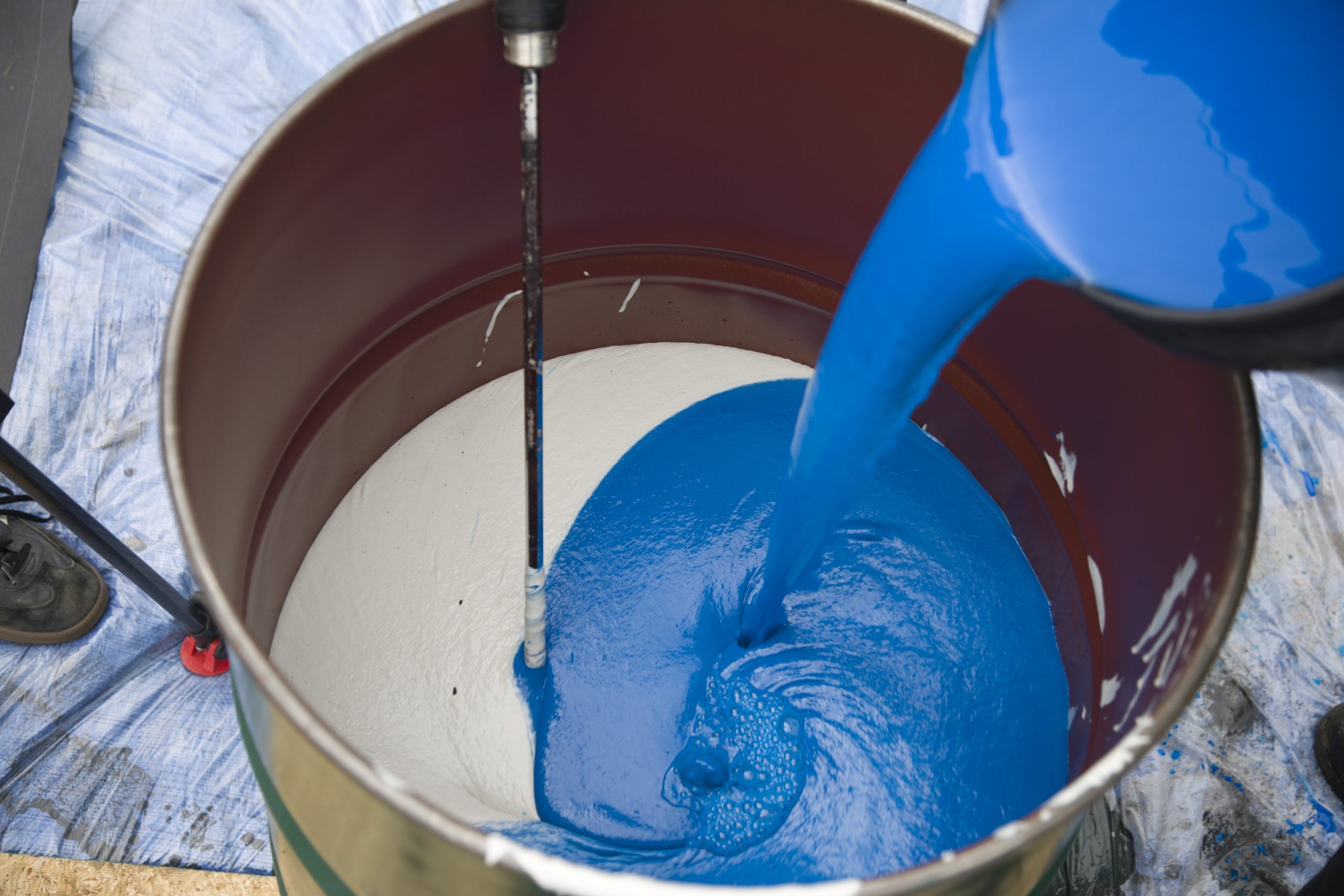
- ColorPave Neutral Concentrate: 55 Gallons
- Water: 33 Gallons
- ColorPlus Pigment Dispersion: 4 Gallons
- Sand (50-60 mesh): 800 lbs.
For more information on the proper steps for mixing ColorPave Neutral Concentrate, please refer to the technical data sheet.
ColorPave Neutral Ready-Mix
ColorPave Neutral Ready-Mix simplifies the process by coming pre-blended with sand, reducing labor and setup time on the job site.
Typical Mix Design:
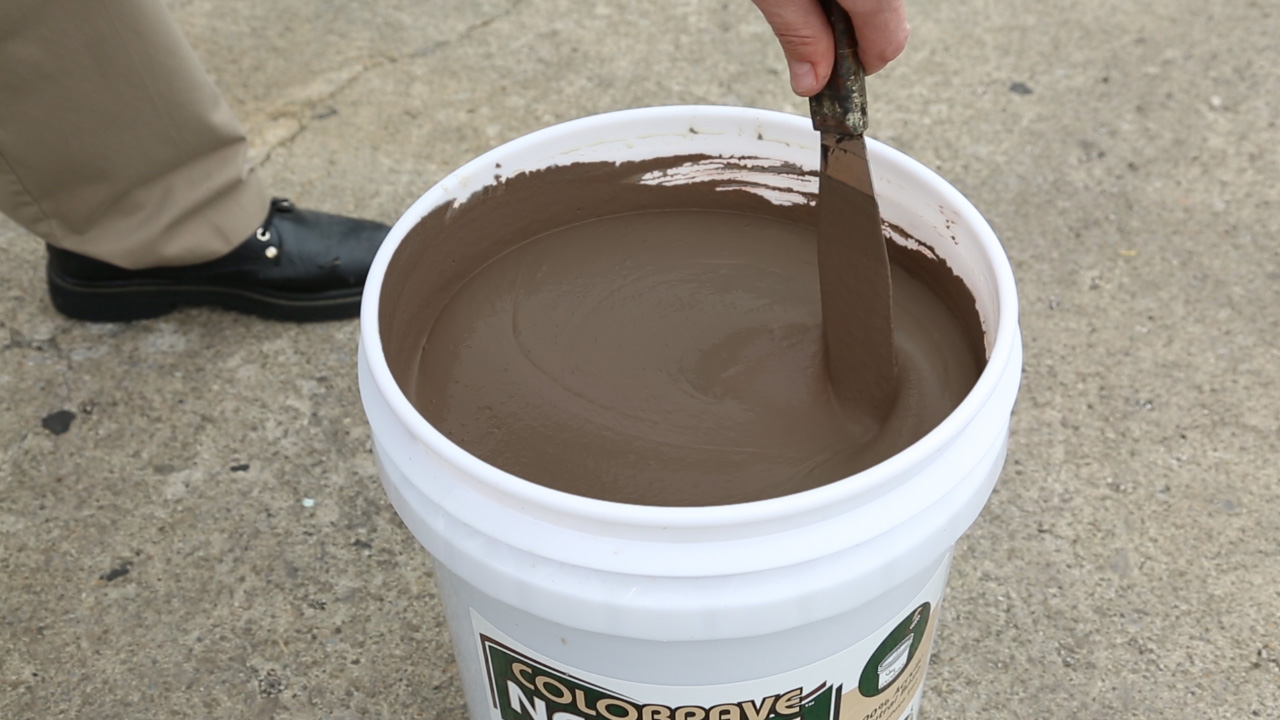
- ColorPave Neutral Ready-Mix: 5 Gallon Pail
- ColorPlus Pigment Dispersion: 1 pint
- Water: Only add small amount if needed to improve workability
For more information on the proper steps for mixing ColorPave Neutral Ready-Mix, please refer to the technical data sheet.
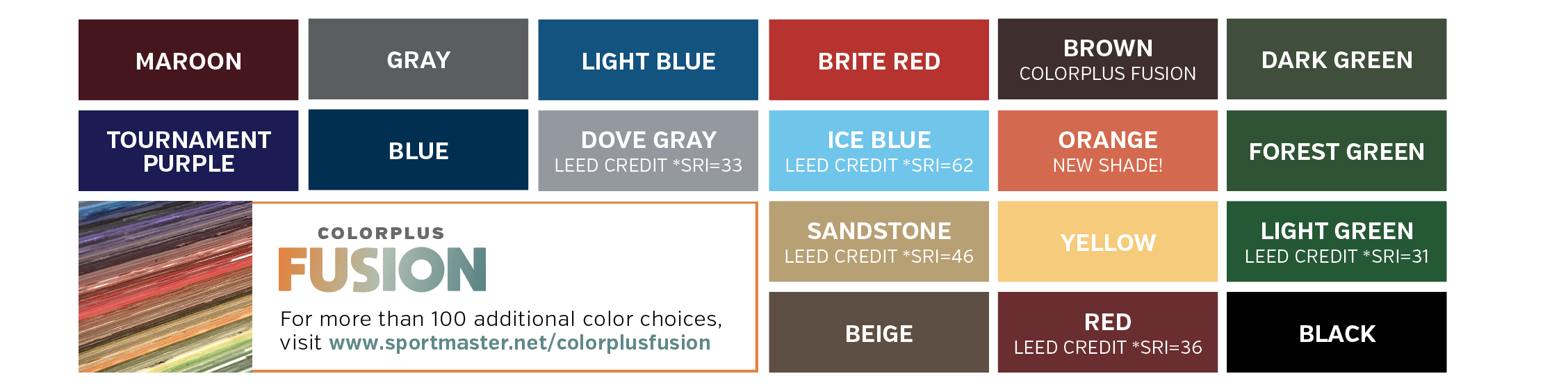
Both systems provide durable, slip-resistant acrylic coatings with a wide range of color options. They are designed to transform asphalt surfaces with vibrant, uniform color while improving safety, enhancing appearance and supporting long-term pavement performance.
Step 5: Applying the Color Coating
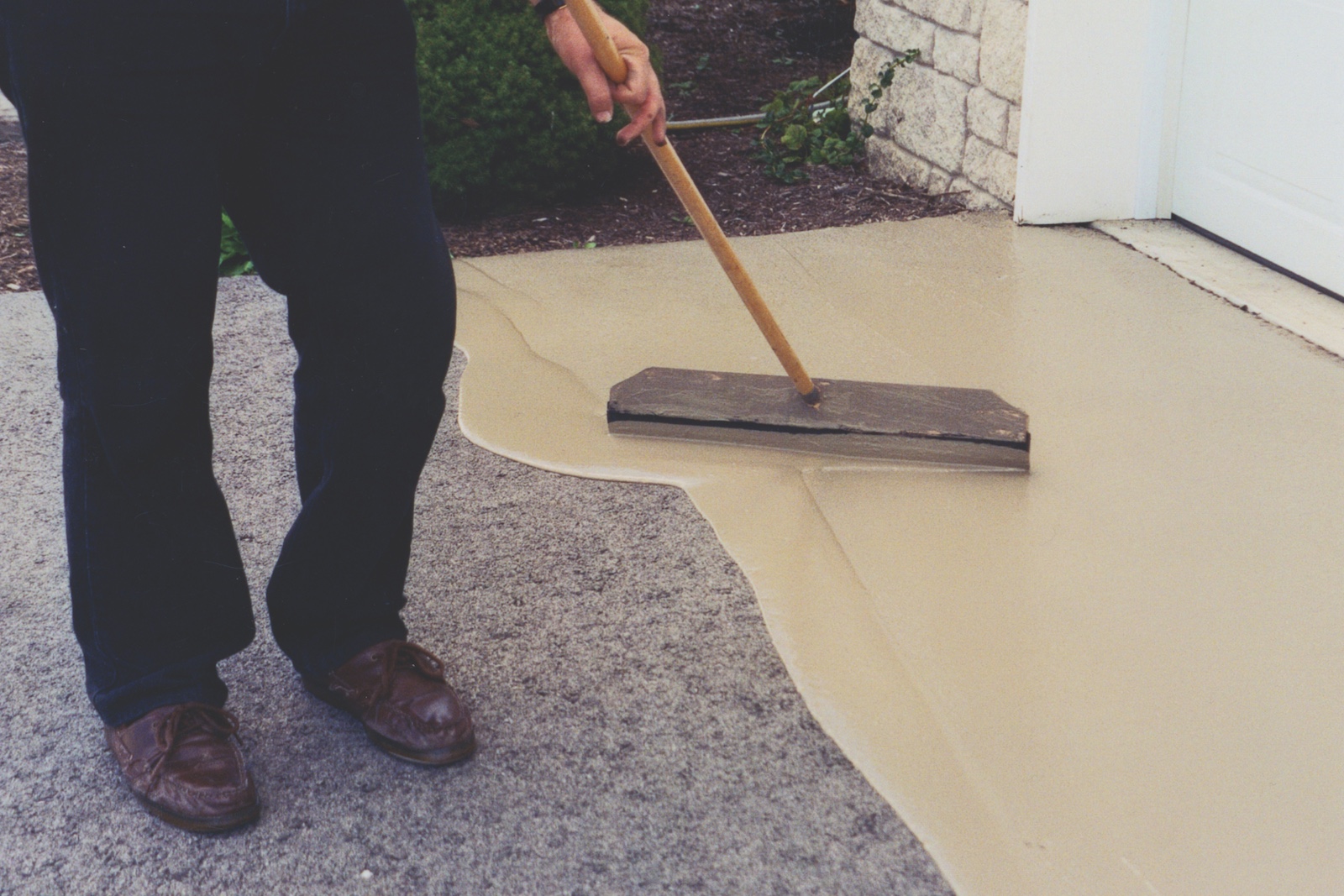
Once mixed, the coating can be applied using several methods:
- Squeegee for standard applications
- Specialized textured spray equipment for large or uniform areas
- Roller or brush for edges and detail work
Apply the coating evenly across the surface, working in sections to maintain a consistent finish.
Application Tips
- Apply in thin, even coats to avoid buildup
- Keep a consistent pace to prevent streaking or lap marks
- Maintain a wet edge when working across large areas
- Stir the material periodically to keep sand evenly distributed
Step 6: Coverage Guidelines
Coverage may vary due to pavement porosity and method of application. Extremely porous pavement will typically result in reduced coverage rates.
For optimal performance, both ColorPave Neutral Concentrate and ColorPave Neutral Ready-Mix are applied in two coats to achieve consistent color, durability and a uniform finish. Always allow the first coat to dry completely before applying the second coat.
ColorPave Neutral Concentrate: Covers approximately 100 to 125 square feet per gallon per coat
ColorPave Neutral Ready-Mix: Covers approximately 60 to 70 square feet per gallon per coat
Both systems are typically applied at a rate of 0.13 to 0.15 gallons per square yard per coat.
Common Mistakes to Avoid
Even with the right materials, not following the proper steps can lead to poor results.
- Skipping Proper Surface Preparation
- Failing to properly clean and prepare the surface is one of the leading causes of failure. Dirt, dust, oil and loose debris will prevent the coating from adhering properly and can lead to peeling or flaking.
- Ignoring Weather Conditions
- Applying coatings in temperatures below 50°F or when rain is expected can result in washout, poor curing and an uneven finish. Always confirm weather conditions before starting the job.
- Using the Wrong Crack Filler
- Hot-applied crack fillers are not recommended with SealMaster acrylic-based color coating systems. Always use an acrylic crack filler to ensure proper adhesion and performance.
- Improper Mixing Ratios
- Incorrect mixing ratios can lead to inconsistent color, reduced durability and poor application. Always follow product-specific guidelines when combining base, pigment, sand and water.
- Uneven Application
- Applying material too heavily in some areas and too lightly in others can create streaking, color variation and inconsistent texture. Maintain a steady application method and work in controlled sections.
- Applying One Coat
- A single coat will not provide adequate color depth or durability. Two coats are recommended to achieve a uniform finish and long-term performance.
- Not Allowing Proper Dry Time
- Rushing between coats or opening the surface to traffic too soon can damage the coating before it fully cures. Allow sufficient drying time between coats and before use.
- Applying Over Incompatible Surfaces
- Coatings should not be applied over surfaces previously treated with coal tar or non-acrylic sealers. Doing so can prevent proper bonding and lead to premature failure.
Ensuring Long-Term Performance
Asphalt color coatings provide a practical way to improve both the performance and appearance of asphalt pavement surfaces. When applied correctly, they deliver long-lasting color, added safety and a more organized, professional finish.
Successful results come down to proper preparation, careful planning and following product-specific guidelines. Taking the time to do each step correctly helps ensure a consistent, high-quality outcome on every project.
Learn More About Colorized Coatings
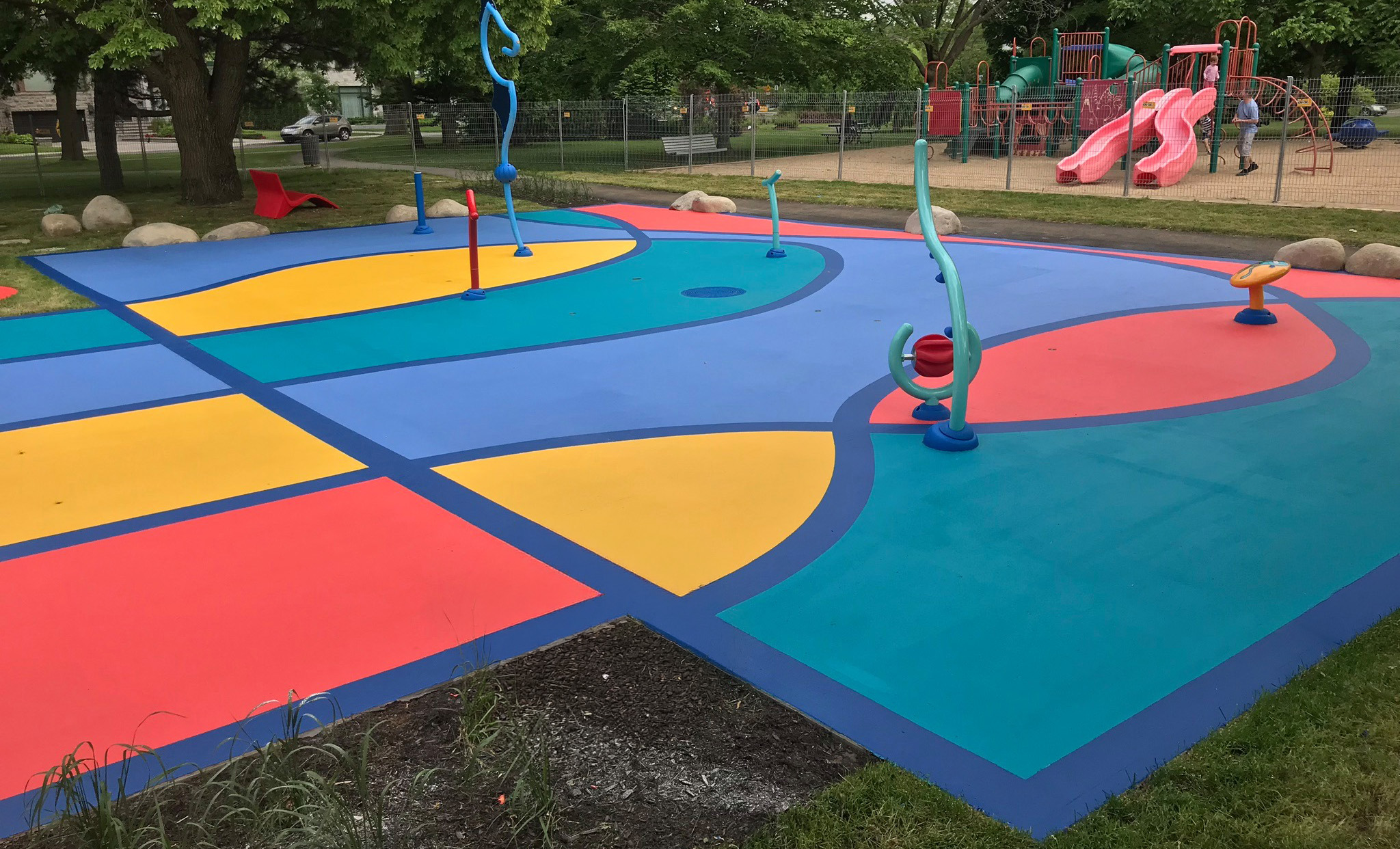
Colorized pavement coatings continue to gain popularity as one of the fastest-growing trends in the pavement maintenance industry. They are used across a wide range of applications to enhance curb appeal, improve surface durability, increase safety through better visibility and extend the overall life of asphalt surfaces.
In addition to performance benefits, color coatings can help contractors differentiate their services, open the door to new types of projects and create added value for customers.
To learn more about how colorized coatings work and how they can be used to grow your business, explore our detailed guide.
Read Next: What Are Colorized Pavement Coatings? Benefits, Uses and Why It’s Growing Fast
SealMaster Expertise and Support
Colorized pavement coatings require the right process, materials and conditions to achieve the best results. From proper surface preparation to mixing and application, each step plays a critical role in long-term performance.
SealMaster experts are here to help you get started and guide you through every stage of the process. With more than 60 years of experience and over 3 billion gallons of pavement sealer applied worldwide, SealMaster is the trusted leader in pavement maintenance products and equipment.
Through a nationwide network of contractors, SealMaster provides the products, training and expertise needed to complete color coating projects with confidence.
For guidance, product recommendations or to connect with a local sales professional, contact your nearest SealMaster location for a free inspection or project estimate today.